The Ultimate Roofing Maintenance Checklist for Tupelo, Mississippi Homeowners
December 5, 2024
Keep Your Roof in Top Condition with Proactive Maintenance
Regular maintenance is essential for preserving the integrity and longevity of your roof, especially in Tupelo, Mississippi, where weather conditions can be unpredictable and severe. By following a comprehensive roofing maintenance checklist, homeowners can identify and address issues before they escalate into costly repairs or replacements. In this guide, we'll provide the ultimate roofing maintenance checklist for Tupelo, Mississippi homeowners, ensuring that your roof remains in top condition year-round.
1. Conduct Regular Inspections
Schedule biannual inspections of your roof, preferably in the spring and fall, to assess its condition and identify any signs of damage or wear. Use binoculars to inspect the roof from the ground or hire a professional roofing contractor in Tupelo, Mississippi, for a more thorough evaluation. Look for cracked or missing shingles, damaged flashing, sagging areas, and signs of water infiltration, such as stains or mold growth.
2. Clean Gutters and Downspouts
Clear debris, leaves, and other obstructions from your gutters and downspouts to ensure proper drainage and prevent water buildup on your roof. Clogged gutters can cause water to overflow onto your roof, leading to water damage, mold growth, and structural issues. Clean your gutters at least twice a year, or more frequently if you have trees near your home that shed leaves or debris.
3. Trim Overhanging Branches
Trim overhanging branches from nearby trees to prevent them from rubbing against your roof or dropping debris onto its surface. Branches that come into contact with your roof can cause damage to shingles, puncture the roof membrane, or provide access for pests such as squirrels or raccoons. Keep trees trimmed back at least six feet from your roof to minimize the risk of damage.
4. Check for Signs of Moisture Intrusion
Inspect your attic or crawl space for signs of moisture intrusion, such as water stains, mold growth, or musty odors. These can indicate leaks or inadequate ventilation, which can compromise the integrity of your roof and lead to costly repairs. Address any issues promptly to prevent further damage and ensure that your roof remains watertight and well-ventilated.
5. Schedule Professional Maintenance
Hire a professional roofing contractor in Tupelo, Mississippi, to perform annual maintenance on your roof, including inspections, cleanings, and minor repairs. Experienced contractors have the knowledge, skills, and equipment to identify potential issues and address them before they escalate into major problems. Additionally, consider scheduling a roof tune-up or preventive maintenance program to ensure that your roof receives regular care and attention throughout the year.
Conclusion: Protect Your Investment with Regular Maintenance
By following this comprehensive roofing maintenance checklist, Tupelo, Mississippi homeowners can protect their investment and ensure the long-term performance and durability of their roofs. By conducting regular inspections, cleaning gutters and downspouts, trimming overhanging branches, checking for signs of moisture intrusion, and scheduling professional maintenance, you can keep your roof in top condition and enjoy peace of mind knowing that your home is well-protected against the elements. Make roof maintenance a priority and reap the rewards of a safe, secure, and well-maintained home for years to come.
The roofing industry is constantly evolving, with new technologies and trends emerging to meet the demands of homeowners and the challenges of the environment. From energy-efficient materials to smart roof systems, the future of roofing promises to deliver innovative solutions that enhance durability, sustainability, and functionality. In this blog, we’ll explore some of the most exciting emerging trends and innovations in roofing technology that are shaping the industry and how these advancements can benefit your home. Wheeler Roofing, Inc. is dedicated to staying at the forefront of these developments, ensuring that our customers receive the best roofing solutions available. Section 1: Energy-Efficient Roofing Materials 1. Cool Roofs What They Are: Cool roofs are designed to reflect more sunlight and absorb less heat than traditional roofing materials. These roofs are made with highly reflective materials that help reduce the amount of heat transferred into your home, leading to lower energy costs and improved indoor comfort. Benefits: Energy Savings: Cool roofs can significantly reduce cooling costs in hot climates by reflecting sunlight and reducing the need for air conditioning. Extended Roof Lifespan: By keeping the roof surface cooler, cool roofs reduce the thermal stress on roofing materials, extending their lifespan. Environmental Impact: Lower energy consumption means reduced greenhouse gas emissions, making cool roofs an environmentally friendly option. 2. Solar Roofing What It Is: Solar roofing integrates photovoltaic (PV) cells into traditional roofing materials, such as shingles or tiles, allowing your roof to generate electricity from sunlight. This innovation not only provides a sustainable energy source but also seamlessly blends with the aesthetic of your home. Benefits: Renewable Energy: Solar roofs generate clean, renewable energy, reducing your reliance on grid electricity and lowering your energy bills. Increased Home Value: Homes with solar roofs are often more attractive to buyers, as they offer long-term energy savings and environmental benefits. Tax Incentives: Many governments offer tax credits and incentives for installing solar roofing, helping to offset the initial cost. 3. Green Roofs What They Are: Green roofs, also known as living roofs, involve growing vegetation on the roof surface. These roofs consist of multiple layers, including a waterproof membrane, drainage system, and growing medium, which support the growth of plants and grasses. Benefits: Thermal Insulation: Green roofs provide excellent thermal insulation, helping to keep your home cool in the summer and warm in the winter. Stormwater Management: Green roofs absorb rainwater, reducing runoff and helping to manage stormwater in urban areas. Biodiversity: By creating a habitat for plants and wildlife, green roofs contribute to biodiversity and support local ecosystems. Section 2: Smart Roof Technology 1. Smart Roof Sensors What They Are: Smart roof sensors are advanced monitoring devices embedded in the roof structure to track various aspects of roof performance, such as temperature, moisture levels, and structural integrity. These sensors provide real-time data that can be accessed remotely via a smartphone or computer. Benefits: Early Detection of Issues: Smart sensors can detect potential problems, such as leaks or heat loss, before they become serious, allowing for proactive maintenance. Energy Efficiency: By monitoring temperature and moisture levels, smart sensors help optimize energy efficiency and prevent unnecessary energy loss. Peace of Mind: Homeowners can receive alerts and updates on their roof’s condition, ensuring that any issues are addressed promptly. 2. Solar Roof Tiles What They Are: Solar roof tiles are an innovative alternative to traditional solar panels. These tiles are designed to look like regular roofing materials, such as asphalt shingles or slate, while incorporating photovoltaic cells that generate electricity from sunlight. Benefits: Aesthetic Appeal: Solar roof tiles blend seamlessly with the existing roof design, preserving the aesthetic integrity of your home. Durability: Solar tiles are built to withstand harsh weather conditions, providing long-lasting protection and energy generation. Integrated Energy Solution: Solar tiles eliminate the need for separate solar panels, offering a more streamlined and visually appealing roofing solution. 3. Roof-Mounted Wind Turbines What They Are: Roof-mounted wind turbines are small-scale wind energy systems that can be installed on residential roofs. These turbines harness wind power to generate electricity, providing a complementary energy source to solar power. Benefits: Renewable Energy: Wind turbines generate clean energy, reducing your reliance on fossil fuels and lowering your carbon footprint. Energy Independence: By combining wind and solar power, homeowners can achieve greater energy independence and resilience against power outages. Compact Design: Roof-mounted turbines are designed to be unobtrusive, with minimal impact on the appearance of your home. Section 3: Sustainable and Eco-Friendly Roofing Options 1. Recycled Roofing Materials What They Are: Recycled roofing materials are made from post-consumer waste, such as plastic, rubber, or metal, that has been repurposed into durable roofing products. These materials offer a sustainable alternative to traditional roofing while maintaining high performance and longevity. Benefits: Environmental Impact: Using recycled materials reduces the demand for new raw materials and diverts waste from landfills, contributing to environmental conservation. Durability: Recycled roofing materials are designed to withstand extreme weather conditions, offering long-lasting protection for your home. Aesthetic Variety: Recycled materials are available in various styles and colors, allowing homeowners to choose a sustainable option that matches their aesthetic preferences. 2. Reflective Roof Coatings What They Are: Reflective roof coatings are applied to the surface of existing roofs to enhance their ability to reflect sunlight and reduce heat absorption. These coatings are typically made from reflective pigments and can be applied to a variety of roofing materials, including asphalt shingles, metal, and flat roofs. Benefits: Energy Efficiency: Reflective coatings reduce the amount of heat absorbed by the roof, lowering cooling costs and improving indoor comfort. Extended Roof Lifespan: By reducing thermal stress, reflective coatings help extend the lifespan of the roofing materials. Cost-Effective: Applying a reflective coating is a cost-effective way to enhance the energy efficiency of your roof without needing a full replacement. 3. Sustainable Roofing Practices What They Are: Sustainable roofing practices involve using environmentally friendly materials, reducing waste, and implementing energy-efficient designs during roof installation or replacement. These practices focus on minimizing the environmental impact of roofing projects while maximizing the benefits for homeowners. Benefits: Resource Conservation: Sustainable practices reduce the consumption of natural resources and the production of waste during roofing projects. Energy Savings: By prioritizing energy efficiency in roof design and installation, sustainable practices help homeowners save on energy costs and reduce their carbon footprint. Healthier Living Environment: Sustainable roofing materials and practices contribute to a healthier indoor environment by reducing exposure to harmful chemicals and improving air quality. Section 4: The Future of Roofing with Wheeler Roofing, Inc. 1. Commitment to Innovation Why It Matters: At Wheeler Roofing, Inc., we are committed to staying ahead of industry trends and adopting the latest roofing technologies to provide our customers with the best possible solutions. Our focus on innovation ensures that we can offer roofing systems that are not only durable and efficient but also environmentally responsible. What We Offer: Cutting-Edge Materials: We use the latest energy-efficient and sustainable materials to ensure your roof performs well and aligns with your environmental values. Advanced Installation Techniques: Our team is trained in the latest installation techniques, ensuring that your roof is built to last and takes advantage of modern advancements in roofing technology. 2. Personalized Roofing Solutions Why It Matters: Every home is unique, and we believe that your roofing solution should be too. Wheeler Roofing, Inc. offers personalized roofing solutions that take into account your specific needs, preferences, and budget. What We Offer: Custom Roof Designs: We work with you to design a roof that meets your aesthetic and functional needs, incorporating the latest trends and technologies. Flexible Options: Whether you’re interested in solar roofing, green roofs, or cool roof materials, we offer a range of options to fit your lifestyle and goals. 3. Sustainable and Eco-Friendly Roofing Why It Matters: As environmental concerns become increasingly important, we are dedicated to offering roofing solutions that are both sustainable and eco-friendly. Our commitment to green building practices ensures that your roof not only protects your home but also contributes to a healthier planet. What We Offer: Eco-Friendly Materials: We prioritize the use of recycled and sustainable materials in our roofing projects to minimize environmental impact. Energy-Efficient Designs: Our roofing systems are designed to maximize energy efficiency, helping you save on energy costs and reduce your carbon footprint. Conclusion The future of roofing is bright, with exciting innovations and trends that promise to enhance the durability, energy efficiency, and sustainability of your home’s roof. By staying informed about these emerging technologies and choosing a roofing contractor who embraces innovation, you can ensure that your roof provides lasting protection and value. Wheeler Roofing, Inc. is committed to offering the latest in roofing technology and sustainable practices, helping you make the most of your roofing investment.
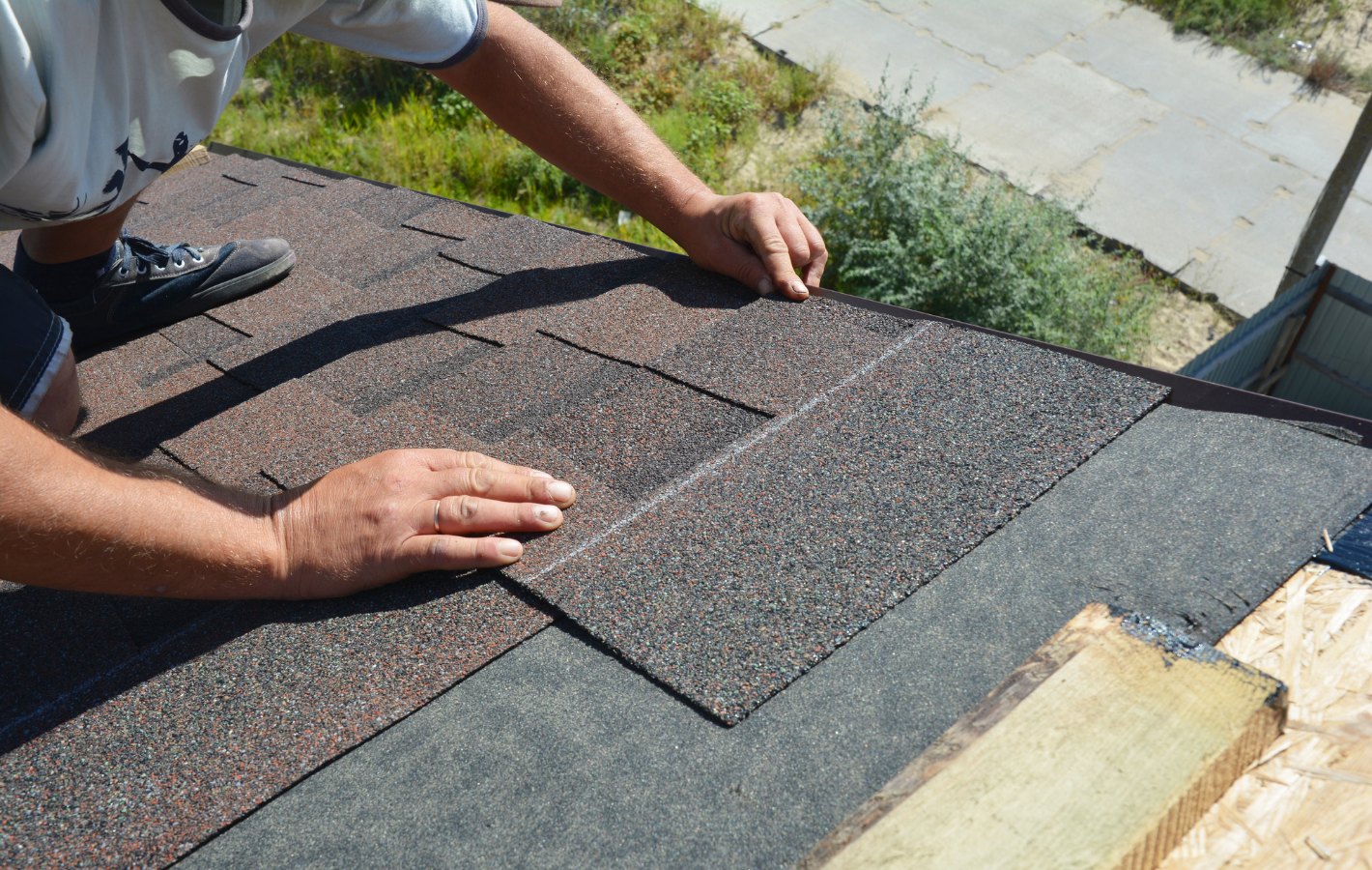
Choosing the right roofing contractor is one of the most important decisions you’ll make when it comes to maintaining or replacing your roof. A skilled and trustworthy contractor can ensure that your roofing project is completed on time, within budget, and to the highest standards of quality. However, with so many contractors available, it can be challenging to know which one is the best fit for your needs. In this blog, we’ll explore the key factors you should consider when selecting a roofing contractor, from credentials and experience to customer service and warranties. Wheeler Roofing, Inc. is committed to helping you make an informed choice so you can feel confident in your roofing investment. Section 1: Credentials and Licensing 1. Proper Licensing Why It Matters: One of the first things to check when choosing a roofing contractor is whether they are properly licensed to operate in your area. Licensing requirements vary by state, but a licensed contractor has met the minimum qualifications set by local authorities, including knowledge of building codes and industry standards. What to Look For: State or Local License: Ensure the contractor holds a valid state or local license to perform roofing work in your area. Verification: Don’t hesitate to ask for proof of licensing or check with your local licensing authority to verify the contractor’s credentials. 2. Insurance Coverage Why It Matters: Roofing can be a risky job, and accidents can happen. A reputable roofing contractor should carry both general liability insurance and workers’ compensation insurance. This coverage protects you from being held liable for any injuries or damages that may occur during the project. What to Look For: General Liability Insurance: Covers any property damage that may occur during the roofing project. Workers’ Compensation Insurance: Provides coverage for any injuries sustained by workers on your property. Proof of Insurance: Ask the contractor to provide proof of insurance, and verify the coverage with the insurance provider. 3. Industry Certifications Why It Matters: Many top roofing manufacturers offer certifications to contractors who meet specific criteria, including training, expertise, and a commitment to high-quality workmanship. Choosing a certified contractor can give you added peace of mind that your roof will be installed according to the manufacturer’s specifications. What to Look For: Manufacturer Certifications: Look for certifications from leading roofing manufacturers, such as GAF, Owens Corning, or CertainTeed. Specialized Certifications: Some contractors may also hold certifications in specific roofing materials or installation techniques, such as metal roofing or flat roofs. Section 2: Experience and Reputation 1. Years in Business Why It Matters: A contractor with a long history in the roofing industry is more likely to have the experience needed to handle a wide range of roofing projects, from simple repairs to complex installations. Longevity in business also indicates a track record of satisfied customers and a commitment to quality work. What to Look For: Established Business: Choose a contractor with several years of experience in the roofing industry. Consistency: A contractor who has been in business for a long time is more likely to be reliable and capable of delivering high-quality results. 2. Customer Reviews and Testimonials Why It Matters: Reading customer reviews and testimonials can provide valuable insights into the contractor’s reliability, workmanship, and customer service. Look for reviews on independent platforms like Google, Yelp, or the Better Business Bureau (BBB) to get a well-rounded view of the contractor’s reputation. What to Look For: Positive Reviews: Look for contractors with a high number of positive reviews and testimonials from satisfied customers. Consistent Feedback: Pay attention to recurring themes in reviews, such as punctuality, communication, and quality of work. Response to Complaints: See how the contractor responds to negative reviews or complaints, as this can indicate their commitment to customer satisfaction. 3. Portfolio of Previous Work Why It Matters: A contractor’s portfolio showcases their previous work and can give you a sense of their expertise and style. Reviewing a portfolio allows you to see the quality of their work firsthand and determine if they have experience with the type of roofing project you need. What to Look For: Diverse Portfolio: A diverse portfolio demonstrates the contractor’s ability to handle different types of roofing materials, styles, and project complexities. Similar Projects: Look for examples of projects similar to yours in terms of size, scope, and materials used. Quality Craftsmanship: Examine the details in the photos, such as clean lines, proper flashing, and overall aesthetics, to assess the quality of the contractor’s work. Section 3: Transparent Pricing and Warranties 1. Detailed Written Estimates Why It Matters: A reputable roofing contractor should provide a detailed written estimate that outlines the scope of work, materials to be used, labor costs, and a timeline for completion. Transparent pricing helps you understand what you’re paying for and ensures there are no hidden fees or unexpected costs. What to Look For: Clear Breakdown: The estimate should clearly break down all costs associated with the project, including materials, labor, permits, and disposal fees. Project Timeline: The estimate should include an estimated start and completion date, as well as any potential delays that could affect the timeline. Payment Terms: Make sure the estimate outlines the payment schedule, including any deposits required and the final payment upon completion. 2. Competitive Pricing Why It Matters: While price shouldn’t be the only factor in your decision, it’s essential to choose a contractor who offers competitive pricing without compromising on quality. Be cautious of quotes that are significantly lower than others, as they may indicate the use of subpar materials or inexperienced labor. What to Look For: Multiple Quotes: Obtain quotes from at least three different contractors to compare prices and services. Value for Money: Consider the overall value, including the quality of materials, workmanship, and warranties, rather than just the lowest price. 3. Warranty Options Why It Matters: A solid warranty provides peace of mind that your roof will be protected against defects in materials and workmanship. The best contractors offer both manufacturer warranties on materials and workmanship warranties on installation. What to Look For: Manufacturer Warranty: Covers defects in the roofing materials, with terms typically ranging from 20 to 50 years. Workmanship Warranty: Covers installation errors and defects, with terms ranging from 2 to 10 years or more. Extended Warranties: Some contractors offer extended warranties for an additional fee, providing even more comprehensive coverage. Section 4: Communication and Customer Service 1. Clear Communication Why It Matters: Good communication is key to a successful roofing project. A contractor who is responsive, clear, and transparent in their communication will help ensure that the project runs smoothly and that you are informed at every stage. What to Look For: Responsiveness: The contractor should be quick to respond to your inquiries and provide clear, concise answers to your questions. Transparency: Look for a contractor who is upfront about potential challenges, costs, and timelines, rather than making unrealistic promises. 2. Contract and Project Management Why It Matters: A written contract is essential for outlining the terms of the project and protecting both you and the contractor. It should detail the scope of work, payment terms, warranties, and any other important details. Effective project management ensures that the work is completed on time and to your satisfaction. What to Look For: Comprehensive Contract: The contract should cover all aspects of the project, including materials, labor, payment schedule, and warranties. Project Manager: Ensure the contractor assigns a project manager to oversee the work and communicate with you throughout the project. 3. Post-Project Support Why It Matters: Your relationship with the roofing contractor shouldn’t end when the project is completed. A reputable contractor will offer post-project support, including inspections, maintenance, and assistance with any issues that may arise after the installation. What to Look For: Final Inspection: The contractor should perform a final inspection to ensure the work meets your expectations and address any concerns. Maintenance Services: Look for a contractor who offers ongoing maintenance services to help extend the life of your roof. Responsive Support: The contractor should be available to address any issues or questions that arise after the project is completed. Conclusion Choosing the right roofing contractor is essential for ensuring a successful and stress-free roofing project. By considering factors such as credentials, experience, pricing, warranties, and communication, you can select a contractor who will deliver high-quality work and exceptional service. Wheeler Roofing, Inc. is committed to providing top-notch roofing solutions with a focus on customer satisfaction and lasting results.
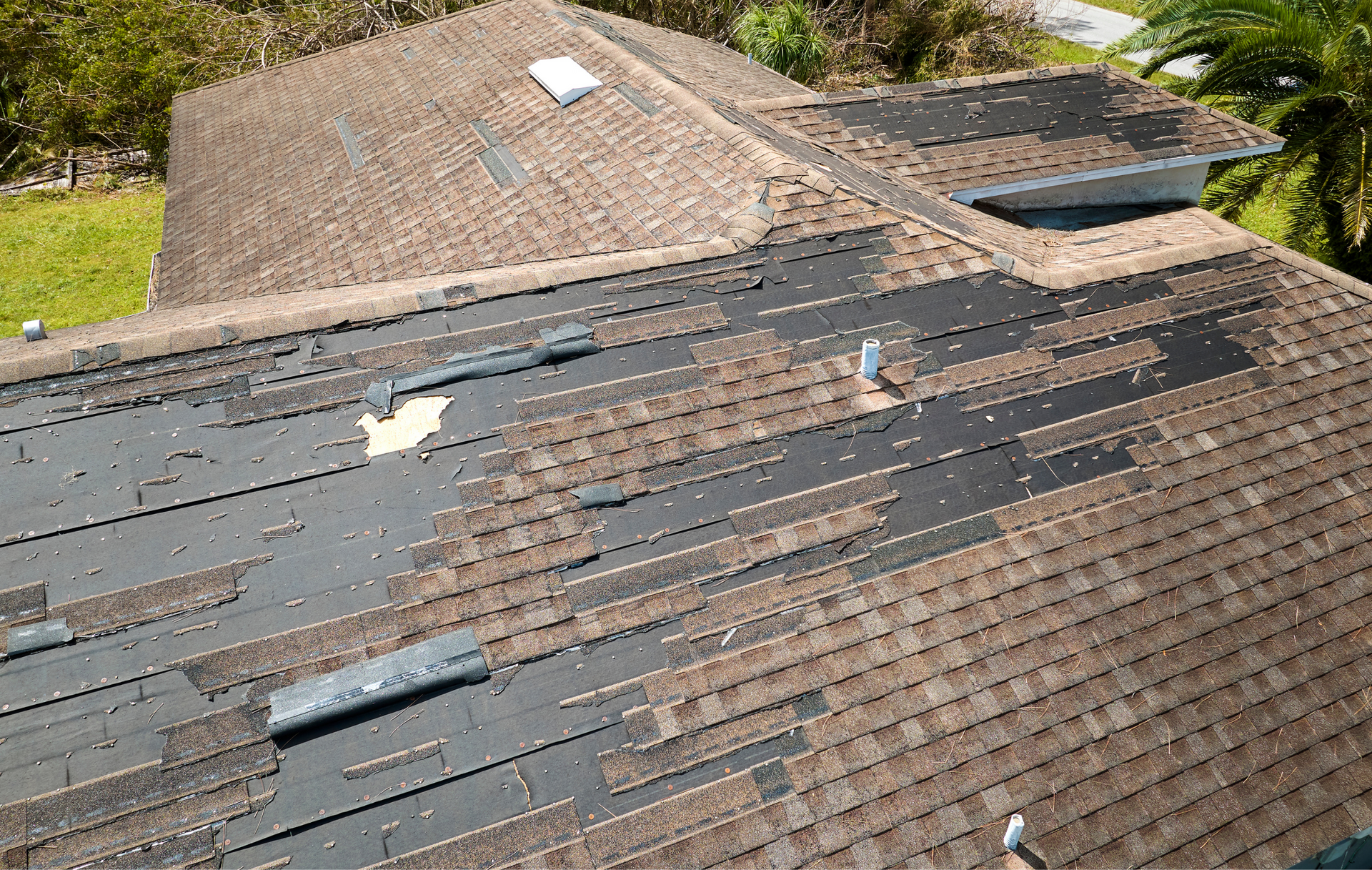
When considering home improvements, installing a new roof might not be the first project that comes to mind. However, a new roof offers far more than just enhanced curb appeal. It’s an investment that can significantly improve your home’s energy efficiency, safety, and overall value. Whether your current roof is nearing the end of its lifespan or you’re simply looking to upgrade, understanding the full range of benefits can help you make an informed decision. In this blog, we’ll explore the many advantages of installing a new roof and why it’s one of the most impactful home improvement projects you can undertake. Wheeler Roofing, Inc. is here to guide you through the process and ensure you get the most out of your investment. Section 1: Enhanced Energy Efficiency 1. Improved Insulation How It Works: A new roof provides an opportunity to improve your home’s insulation, which can significantly enhance energy efficiency. Modern roofing materials and techniques include better insulation options that help maintain a consistent indoor temperature, reducing the strain on your heating and cooling systems. Benefits: Lower Energy Bills: Improved insulation reduces the amount of energy needed to heat and cool your home, leading to lower utility bills. Increased Comfort: A well-insulated roof helps maintain a comfortable indoor environment by preventing drafts and maintaining a consistent temperature throughout your home. 2. Reflective Roofing Materials How It Works: Many modern roofing materials are designed to reflect more sunlight and absorb less heat, particularly in warmer climates. These reflective or "cool" roofs help reduce the heat absorbed by your home, making it easier to keep indoor temperatures cool without overworking your air conditioning system. Benefits: Reduced Cooling Costs: Reflective roofing materials can significantly lower your cooling costs during the summer months. Environmental Impact: By reducing your home’s energy consumption, you also reduce your carbon footprint, contributing to a more sustainable lifestyle. 3. Advanced Ventilation Systems How It Works: Installing a new roof also allows you to upgrade or improve your attic ventilation system. Proper ventilation is crucial for preventing moisture buildup and maintaining a balanced temperature, both of which contribute to the longevity of your roof and the energy efficiency of your home. Benefits: Preventing Moisture Damage: Good ventilation helps prevent the buildup of moisture that can lead to mold, rot, and other issues. Extended Roof Lifespan: Proper ventilation helps your roofing materials last longer by preventing the damage caused by excessive heat and moisture. Section 2: Increased Home Value and Curb Appeal 1. Boosting Curb Appeal How It Works: A new roof is one of the most visible home improvements you can make, and it has an immediate impact on your home’s curb appeal. Whether you choose classic asphalt shingles, sleek metal roofing, or timeless slate tiles, a new roof can dramatically enhance the exterior appearance of your home. Benefits: First Impressions: A new roof gives your home a fresh, well-maintained look, making a positive first impression on visitors or potential buyers. Aesthetic Options: With a wide range of colors, materials, and styles available, you can choose a roof that perfectly complements your home’s architectural style and personal taste. 2. Increasing Resale Value How It Works: Installing a new roof is a significant investment that can pay off when it comes time to sell your home. Buyers are more likely to pay a premium for a home with a new roof, as it eliminates one of the major concerns of homeownership—potential roof repairs or replacement. Benefits: Attracting Buyers: A new roof can be a major selling point, especially if the buyer is looking for a home that requires minimal immediate maintenance. Higher Selling Price: Homes with new roofs often sell for more than those with older, worn roofs, providing a solid return on investment. 3. Enhanced Durability and Warranty How It Works: New roofing systems come with enhanced durability features and, often, better warranties than older systems. This ensures that your roof will protect your home for many years to come, offering peace of mind and long-term savings. Benefits: Longer Lifespan: Modern roofing materials are designed to last longer and withstand more extreme weather conditions, reducing the need for repairs and replacements. Comprehensive Warranties: Many new roofs come with extended warranties that cover materials, workmanship, and even labor costs for repairs, providing financial protection and confidence in your investment. Section 3: Improved Safety and Protection 1. Enhanced Weather Resistance How It Works: A new roof is built to withstand the latest weather challenges, including high winds, heavy rain, hail, and snow. Modern roofing materials and installation techniques offer superior protection against the elements, keeping your home safe and secure. Benefits: Storm Protection: New roofing materials are tested to withstand extreme weather conditions, reducing the risk of damage during storms. Peace of Mind: Knowing that your roof is built to handle whatever nature throws at it allows you to feel more secure in your home. 2. Prevention of Water Damage How It Works: Leaks and water damage are among the most common issues with aging roofs. A new roof eliminates these risks by providing a watertight barrier that prevents moisture from penetrating your home’s structure. Benefits: Protecting Your Home: A new roof prevents leaks that can lead to water damage, mold growth, and structural issues, safeguarding your home’s integrity. Avoiding Costly Repairs: By preventing water damage, you avoid the high costs associated with repairing or replacing damaged ceilings, walls, and insulation. 3. Compliance with Modern Building Codes How It Works: Building codes and regulations have evolved over time, with stricter standards for roofing materials and installation. When you install a new roof, you ensure that your home complies with the latest building codes, which can be especially important if you’re planning to sell or refinance your home. Benefits: Legal Compliance: A new roof ensures that your home meets all current safety and building regulations, avoiding potential fines or complications during property transactions. Improved Home Insurance Rates: Homes with new roofs that meet modern standards may qualify for lower insurance premiums, as they are considered less risky by insurers. Section 4: Environmental and Health Benefits 1. Eco-Friendly Roofing Materials How It Works: Many new roofing materials are designed with sustainability in mind, using recycled content or being fully recyclable themselves. Additionally, some materials, such as metal roofing, have a longer lifespan, reducing the need for frequent replacements and minimizing environmental impact. Benefits: Reduced Environmental Impact: Choosing eco-friendly roofing materials helps reduce waste and conserve natural resources, contributing to a greener planet. Energy Savings: Eco-friendly materials often include energy-saving features that reduce your home’s carbon footprint and lower utility bills. 2. Improved Indoor Air Quality How It Works: A new roof that is properly ventilated and sealed can significantly improve your home’s indoor air quality. By preventing leaks, moisture buildup, and mold growth, a new roof helps maintain a healthier indoor environment for you and your family. Benefits: Healthier Living Spaces: Improved indoor air quality reduces the risk of respiratory issues, allergies, and other health problems caused by mold and mildew. Allergen Reduction: By keeping moisture and mold at bay, a new roof helps reduce allergens in your home, creating a more comfortable living environment. 3. Sustainable Living How It Works: Installing a new roof with energy-efficient and sustainable features aligns with a commitment to sustainable living. From reducing energy consumption to choosing environmentally friendly materials, a new roof can contribute to a more eco-conscious lifestyle. Benefits: Long-Term Savings: Energy-efficient roofing materials reduce your energy consumption and lower your utility bills over time. Positive Environmental Impact: By choosing sustainable roofing options, you contribute to the protection of the environment, ensuring a better future for generations to come. Conclusion Installing a new roof is an investment that goes far beyond enhancing your home’s curb appeal. From improving energy efficiency and safety to increasing home value and supporting sustainable living, a new roof offers a wide range of benefits that can have a lasting impact on your home and your quality of life. Wheeler Roofing, Inc. is here to help you navigate the process, offering expert advice, high-quality materials, and professional installation to ensure your new roof provides the maximum benefits.
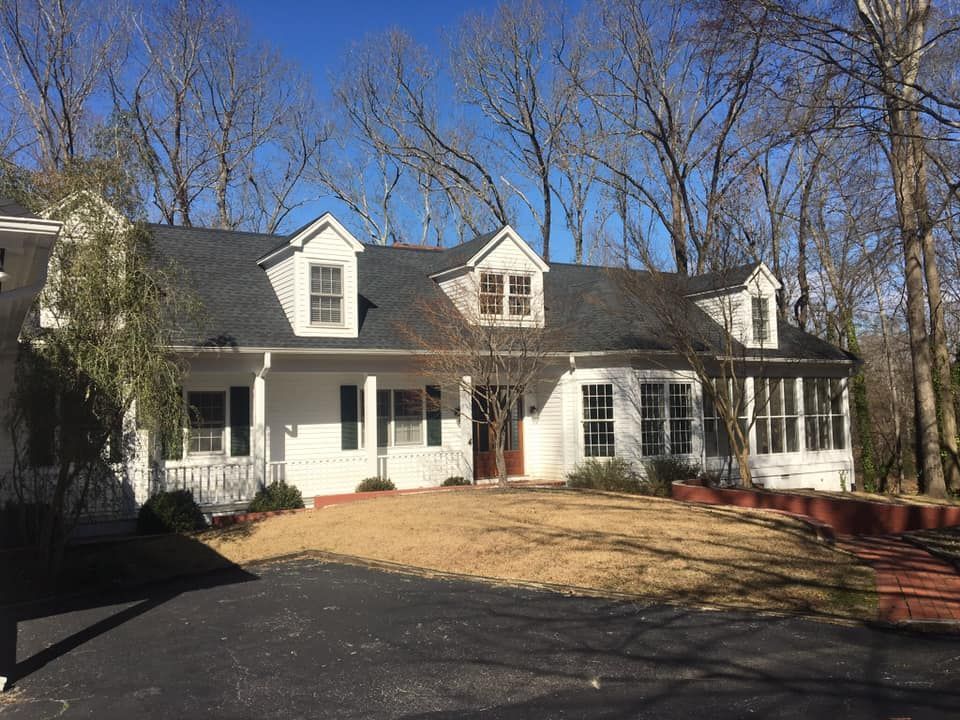
Your roof is one of the most critical components of your home, yet it’s often overlooked until a problem arises. Regular roof inspections are essential for maintaining the integrity of your roof, preventing costly repairs, and ensuring your home remains safe and secure. Whether you’re dealing with an aging roof, the aftermath of a storm, or routine maintenance, understanding the importance of roof inspections can save you time, money, and stress. In this blog, we’ll explore why regular roof inspections are crucial, what to expect during an inspection, and how Wheeler Roofing, Inc. can help you keep your roof in top condition. Section 1: Why Regular Roof Inspections Matter 1. Early Detection of Problems Proactive Maintenance: Regular roof inspections allow you to identify potential issues before they become major problems. Small issues like cracked shingles, minor leaks, or damaged flashing can be addressed promptly, preventing them from escalating into more extensive damage. Benefits: Cost Savings: Early detection of problems can save you money on costly repairs by addressing issues before they worsen. Prolonged Roof Lifespan: By catching problems early, you can extend the life of your roof, delaying the need for a full replacement. Peace of Mind: Knowing that your roof is in good condition provides peace of mind, especially during severe weather seasons. 2. Prevention of Water Damage Water Infiltration: One of the most significant risks of a damaged roof is water infiltration. Leaks can lead to water damage in your home’s interior, affecting walls, ceilings, insulation, and even the foundation. Regular inspections help prevent leaks by ensuring that your roof’s protective barriers are intact. Benefits: Mold Prevention: Preventing water leaks helps protect your home from mold and mildew growth, which can cause health issues and structural damage. Structural Integrity: Keeping your roof watertight maintains the structural integrity of your home, preventing rot and other moisture-related issues. 3. Maintaining Energy Efficiency Heat Loss and Gain: A damaged or poorly maintained roof can affect your home’s energy efficiency. Gaps, cracks, and poor insulation can allow heat to escape in the winter and enter in the summer, leading to higher energy bills. Regular inspections help ensure that your roof is properly sealed and insulated. Benefits: Lower Energy Bills: Maintaining your roof’s insulation and sealing helps reduce energy consumption, lowering your heating and cooling costs. Improved Comfort: A well-maintained roof contributes to a more comfortable indoor environment by preventing drafts and maintaining consistent temperatures. 4. Protecting Your Home’s Value Curb Appeal and Resale Value: Your roof plays a significant role in your home’s curb appeal and overall value. A well-maintained roof not only looks good but also reassures potential buyers that the home has been cared for. Regular inspections help you keep your roof in top condition, preserving your home’s value. Benefits: Attractive Exterior: A well-maintained roof enhances your home’s appearance, making it more attractive to potential buyers. Increased Resale Value: A roof in good condition can increase your home’s resale value and make it more appealing in a competitive real estate market. Section 2: What to Expect During a Roof Inspection 1. Exterior Roof Inspection Visual Assessment: A professional roof inspection begins with a thorough visual assessment of the exterior. The inspector will look for visible signs of damage, such as missing, cracked, or curling shingles, as well as issues with flashing, gutters, and vents. Key Areas Inspected: Shingles: The inspector will check for signs of wear, damage, or missing shingles that could lead to leaks or further damage. Flashing: The areas around chimneys, skylights, and other roof penetrations will be inspected for gaps, cracks, or rust, which could allow water to enter the home. Gutters: The inspector will examine gutters and downspouts for clogs, damage, or signs of improper drainage, which can lead to water backup and roof damage. Roof Vents: Roof vents will be checked to ensure they are not blocked and are functioning properly to maintain proper attic ventilation. 2. Interior Roof Inspection Attic Assessment: The interior portion of the inspection involves checking the attic for signs of leaks, water damage, or ventilation issues. The inspector will look for signs of moisture, mold, or insulation problems that could indicate a roofing issue. Key Areas Inspected: Attic Insulation: The inspector will check the insulation in the attic to ensure it’s adequate and properly installed, helping to maintain energy efficiency. Water Stains: Any signs of water stains, mold, or mildew on the attic ceiling or walls will be noted as indicators of a possible roof leak. Ventilation: Proper attic ventilation is essential for preventing moisture buildup and maintaining the roof’s integrity. The inspector will check that vents are functioning correctly and that there is sufficient airflow. 3. Specialized Testing Advanced Diagnostics: In some cases, the inspector may use specialized equipment to perform more detailed testing. This could include infrared scanning to detect hidden moisture, drone inspections for hard-to-reach areas, or core sampling to assess the condition of roofing materials. Benefits: Comprehensive Assessment: Specialized testing provides a more in-depth understanding of the roof’s condition, helping to identify issues that may not be visible during a standard inspection. Accurate Diagnosis: Advanced diagnostics can help pinpoint the exact location of leaks or damage, making it easier to plan repairs. Section 3: How Often Should You Have Your Roof Inspected? 1. Annual Inspections Why It’s Important: Having your roof inspected annually is the best way to ensure it remains in good condition. Regular inspections help catch small issues before they become major problems, saving you money and extending the life of your roof. Recommended Frequency: Once a Year: Schedule a professional roof inspection at least once a year, ideally in the spring or fall when weather conditions are mild. 2. After Severe Weather Events Why It’s Important: Severe weather events, such as storms, high winds, hail, or heavy snow, can cause significant damage to your roof. It’s important to have your roof inspected after such events to assess any damage and make necessary repairs before they worsen. Recommended Frequency: Post-Storm Inspections: Schedule an inspection after any major weather event to check for damage that may not be immediately visible from the ground. 3. Before Buying or Selling a Home Why It’s Important: If you’re buying or selling a home, a roof inspection is essential to ensure the property is in good condition. For buyers, it provides peace of mind that the roof won’t require immediate repairs. For sellers, it can help you address any issues before listing the home, making it more attractive to potential buyers. Recommended Frequency: Pre-Sale Inspections: Have the roof inspected before listing your home for sale. Pre-Purchase Inspections: Schedule a roof inspection as part of the home inspection process when buying a home. Section 4: Why Choose Wheeler Roofing, Inc. for Your Roof Inspections 1. Experienced and Certified Inspectors Why It Matters: Choosing a roofing company with experienced and certified inspectors ensures that your roof is thoroughly and accurately assessed. Wheeler Roofing, Inc. has a team of skilled professionals who are trained to identify even the smallest issues and provide reliable recommendations for maintenance or repairs. What We Offer: Comprehensive Inspections: Our inspectors conduct detailed inspections of both the exterior and interior of your roof, using the latest tools and techniques to ensure no issue is overlooked. Certified Professionals: Our team is fully certified and knowledgeable about the latest roofing standards and best practices. 2. Transparent and Honest Reporting Why It Matters: Clear and honest communication is essential when it comes to roof inspections. Wheeler Roofing, Inc. provides transparent reports that clearly outline the condition of your roof, any issues found, and recommended solutions. What We Offer: Detailed Reports: Our inspection reports include photos, descriptions of any issues, and a clear explanation of what needs to be done to address them. No Pressure Sales: We provide honest assessments without any pressure to purchase unnecessary services or products. 3. Trusted Local Service Why It Matters: As a trusted local roofing company, Wheeler Roofing, Inc. is committed to providing high-quality service to our community. We understand the unique challenges of maintaining roofs in our local climate and offer personalized solutions to meet your needs. What We Offer: Local Expertise: Our knowledge of local weather patterns and building codes ensures that your roof is prepared for whatever comes its way. Customer Satisfaction: We prioritize customer satisfaction and work hard to build long-term relationships with our clients. Conclusion Regular roof inspections are essential for maintaining the health and longevity of your roof. By scheduling annual inspections and addressing issues promptly, you can prevent costly repairs, protect your home’s value, and ensure your roof provides reliable protection for years to come. Wheeler Roofing, Inc. is here to help you with all your roofing needs, from inspections to repairs and maintenance.
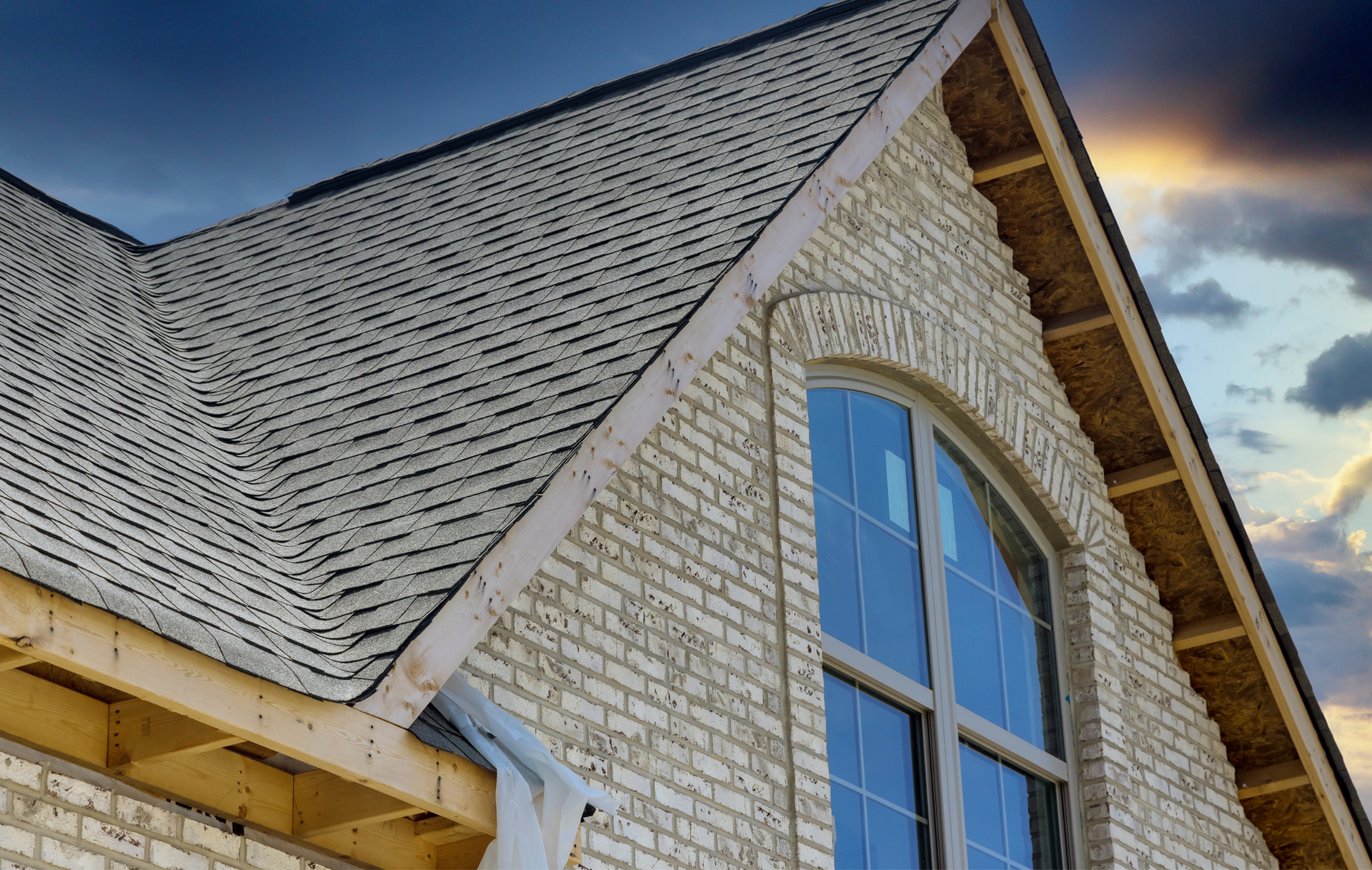
When it comes to roofing, the color of your roof is more than just an aesthetic choice—it can significantly impact your home’s energy efficiency, comfort, and even its resale value. The color of your roof influences how much heat is absorbed or reflected, which in turn affects your home’s interior temperature and energy consumption. In this blog, we’ll explore how different roof colors affect energy efficiency, the factors to consider when choosing a roof color, and how the right color can enhance your home’s value. Wheeler Roofing, Inc. is here to help you make the best choice for your roof, ensuring that it meets both your functional and aesthetic needs. Section 1: How Roof Color Affects Energy Efficiency 1. Heat Absorption and Reflection How It Works: The color of your roof plays a crucial role in determining how much heat it absorbs or reflects. Dark-colored roofs, such as black or dark gray, absorb more sunlight and heat, leading to higher attic and indoor temperatures. Light-colored roofs, such as white, light gray, or beige, reflect more sunlight, keeping your home cooler. Impact on Energy Efficiency: Dark Roofs: While dark roofs can help melt snow in colder climates, they can also increase cooling costs in the summer by making your home warmer. Light Roofs: Light-colored roofs are ideal for warm climates, as they reflect sunlight and reduce the need for air conditioning, leading to lower energy bills. 2. Climate Considerations Hot Climates: In regions with hot summers, a light-colored roof can significantly reduce your cooling costs by reflecting sunlight and keeping your home cooler. This can also extend the life of your roof by reducing thermal stress on the materials. Cold Climates: In colder climates, a dark-colored roof can help retain heat and reduce heating costs in the winter. However, the benefits may be less significant compared to the potential cooling cost savings in warmer climates. 3. Energy Star® and Cool Roofs What It Is: Energy Star® is a program that certifies roofing materials based on their energy efficiency. Cool roofs are designed to reflect more sunlight and absorb less heat than standard roofing materials, regardless of color. Benefits: Lower Energy Bills: Cool roofs can reduce energy bills by decreasing the need for air conditioning. Increased Comfort: A cooler roof leads to a more comfortable indoor environment, especially during the summer. Environmental Impact: By reducing energy consumption, cool roofs can lower greenhouse gas emissions and contribute to a more sustainable home. Section 2: Choosing the Right Roof Color for Your Home 1. Matching Your Home’s Exterior Aesthetic Harmony: The color of your roof should complement the exterior color scheme of your home. Consider the color of your siding, trim, and other architectural elements when choosing a roof color. A well-coordinated color palette can enhance your home’s curb appeal and create a cohesive look. Popular Combinations: Gray or Blue Homes: Pair with dark gray, black, or blue roofs for a sleek and modern look. Beige or Brown Homes: Light gray, brown, or tan roofs work well with earth-toned exteriors. White Homes: Almost any roof color works with a white exterior, but black, dark gray, or red roofs can create a striking contrast. Brick Homes: Consider a dark gray, black, or brown roof to complement the warm tones of the brick. 2. Considering the Architectural Style Traditional Homes: For traditional architectural styles, such as Colonial or Victorian, classic roof colors like black, gray, or brown are often the best choice. These colors provide a timeless look that complements the historic nature of these homes. Modern Homes: Modern and contemporary homes can benefit from bold or unconventional roof colors, such as metallic finishes or cool tones like blue or green. These colors enhance the clean lines and minimalist aesthetic of modern architecture. Rustic Homes: For rustic or cottage-style homes, consider natural tones like brown, green, or gray to blend with the surrounding environment and create a cozy, inviting appearance. 3. Home Value and Resale Considerations Curb Appeal: The color of your roof can significantly impact your home’s curb appeal, which is crucial when it comes to resale value. A well-chosen roof color can make your home more attractive to potential buyers, while a poorly chosen color can detract from its overall appearance. Market Preferences: Consider the preferences of your local real estate market when choosing a roof color. In some areas, neutral tones like gray, black, and brown may be more popular and appealing to buyers, while in other regions, more vibrant colors might be in demand. Durability and Maintenance: Darker roofs tend to show wear and tear, such as fading or staining, more than lighter roofs. Consider the long-term appearance and maintenance needs of your chosen roof color to ensure it continues to look good over time. Section 3: Long-Term Impacts of Roof Color 1. Fading Over Time What to Expect: All roof colors will fade over time due to exposure to sunlight and the elements. However, darker colors tend to show fading more noticeably than lighter colors. This is especially important to consider if you’re choosing a dark roof in a sunny climate. Maintenance Tips: Choose High-Quality Materials: Investing in high-quality roofing materials can help reduce the rate of fading and maintain the vibrancy of your roof color. Regular Inspections: Regular roof inspections can help identify areas of fading or damage early, allowing you to address them before they become significant issues. 2. Longevity and Material Choices Material Durability: The durability of your roofing material will also affect how long your roof color lasts. For example, metal roofs tend to retain their color longer than asphalt shingles, which may fade more quickly. Material Options: Asphalt Shingles: Available in a wide range of colors but may fade over time, especially in darker shades. Metal Roofing: Offers excellent color retention and durability, making it a good choice for maintaining vibrant roof colors. Clay and Concrete Tiles: These materials are naturally colored and highly resistant to fading, making them ideal for long-term color consistency. 3. Environmental Considerations Cool Roof Technology: Opting for cool roof technology can help reduce the environmental impact of your roof. Cool roofs are available in a variety of colors, including darker shades, that are specially designed to reflect more sunlight and absorb less heat. Sustainable Choices: Consider choosing roofing materials and colors that are environmentally friendly and contribute to energy efficiency. This not only benefits the environment but can also increase your home’s value and appeal to eco-conscious buyers. Section 4: How Wheeler Roofing, Inc. Can Help You Choose the Right Roof Color 1. Expert Consultation Why It Matters: Choosing the right roof color involves more than just picking a shade you like. It requires careful consideration of your home’s style, your local climate, and your long-term goals. Wheeler Roofing, Inc. offers expert consultations to help you make the best decision for your home. What We Offer: Color Samples: We provide a wide range of color samples to help you visualize how different shades will look on your home. Professional Advice: Our team can recommend the best colors based on your home’s architectural style, climate, and energy efficiency needs. 2. High-Quality Materials Why It Matters: The longevity and appearance of your roof color depend heavily on the quality of the materials used. Wheeler Roofing, Inc. uses only high-quality, durable materials to ensure your roof looks great and performs well for years to come. What We Offer: Premium Roofing Products: We offer a selection of top-tier roofing materials in a variety of colors, ensuring that you find the perfect match for your home. Warranties: Our roofing products come with strong warranties, protecting your investment and ensuring long-term satisfaction. 3. Professional Installation Why It Matters: Even the best materials can underperform if not installed correctly. Wheeler Roofing, Inc. ensures that your roof is installed to the highest standards, maintaining its appearance and functionality over time. What We Offer: Experienced Installers: Our team of skilled professionals ensures that your roof is installed correctly, with attention to detail and quality workmanship. Ongoing Support: We provide ongoing support and maintenance services to keep your roof in top condition, preserving its color and performance for years to come. Conclusion Choosing the right roof color is a crucial decision that impacts your home’s energy efficiency, curb appeal, and overall value. By understanding how different colors affect your home and considering factors like climate, architectural style, and long-term durability, you can make an informed choice that enhances your home’s beauty and functionality. Wheeler Roofing, Inc. is here to guide you through the process, offering expert advice, high-quality materials, and professional installation to ensure your roof meets all your needs.
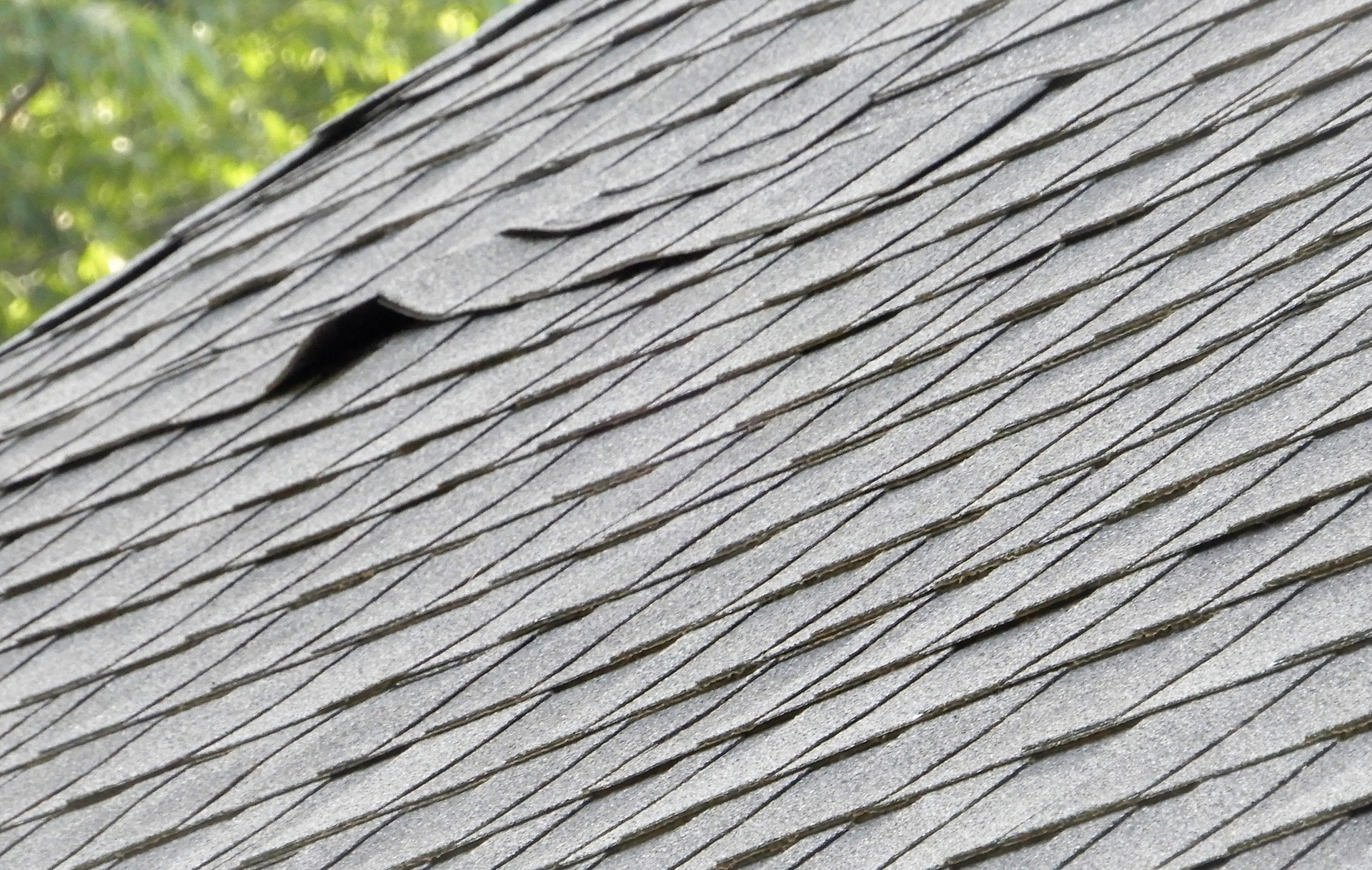
When investing in a new roof, understanding the warranty that comes with it is just as important as choosing the right materials and hiring a skilled contractor. A roof warranty offers protection against defects in materials and workmanship, providing peace of mind that your investment is safeguarded. However, not all warranties are created equal, and it’s essential to know what’s covered, what’s not, and how to ensure your warranty remains valid. In this blog, we’ll break down the different types of roof warranties, what they typically cover, and how to navigate the claims process. Wheeler Roofing, Inc. is here to help you make informed decisions and protect your roofing investment. Section 1: Types of Roof Warranties 1. Manufacturer’s Warranty What It Covers: A manufacturer’s warranty, also known as a material warranty, covers defects in the roofing materials. This type of warranty ensures that the shingles, tiles, or other roofing products are free from manufacturing defects that could affect their performance. Typical Coverage: Duration: Manufacturer’s warranties typically last between 20 to 50 years, depending on the material and brand. Coverage: These warranties generally cover material defects, such as shingle granule loss, premature aging, or cracking. However, they usually do not cover installation errors or damage caused by external factors like severe weather or improper maintenance. Key Considerations: Prorated vs. Non-Prorated: Some warranties are prorated, meaning coverage decreases over time. A non-prorated warranty maintains full coverage throughout its duration. Transferability: Check if the warranty is transferable to a new homeowner, as this can add value if you decide to sell your home. 2. Workmanship Warranty What It Covers: A workmanship warranty is provided by the roofing contractor and covers errors or defects in the installation process. This warranty is crucial because even the best materials can fail if not installed correctly. Typical Coverage: Duration: Workmanship warranties typically range from 2 to 10 years, though some contractors may offer longer warranties. Coverage: These warranties cover issues like leaks, improper sealing, or flashing errors due to installation mistakes. They do not cover material defects, which are covered by the manufacturer’s warranty. Key Considerations: Contractor Reputation: The quality of a workmanship warranty depends on the contractor’s reputation and reliability. Choose a contractor like Wheeler Roofing, Inc. who stands behind their work. Exclusions: Be aware of any exclusions in the warranty, such as damage caused by external factors or lack of maintenance. 3. Extended Manufacturer’s Warranty What It Covers: An extended manufacturer’s warranty offers additional protection beyond the standard warranty. These warranties often combine material and workmanship coverage, providing a more comprehensive level of protection. Typical Coverage: Duration: Extended warranties can last up to 50 years, covering both materials and workmanship. Coverage: These warranties may include coverage for both defects in the roofing materials and installation errors, offering a higher level of protection. They might also cover additional components, such as flashing and underlayment. Key Considerations: Comprehensive Protection: Extended warranties offer broader protection but may come at an additional cost. Evaluate whether the extended coverage is worth the investment for your specific needs. Annual Inspections: Some extended warranties require annual inspections to remain valid. Ensure you understand the maintenance requirements. Section 2: Common Exclusions and Limitations in Roof Warranties 1. Acts of Nature What It Is: Most roof warranties exclude coverage for damage caused by "acts of nature," such as hurricanes, tornadoes, hailstorms, or earthquakes. These events are considered beyond the control of the manufacturer or contractor. How It Affects You: If your roof is damaged by severe weather, you’ll need to file a claim with your homeowner's insurance rather than relying on your roof warranty. Make sure your insurance policy provides adequate coverage for natural disasters common in your area. 2. Improper Maintenance What It Is: Warranties often exclude coverage for damage resulting from improper maintenance. This includes issues like clogged gutters, moss growth, or damage caused by neglecting regular inspections. How It Affects You: To keep your warranty valid, it’s essential to perform regular roof maintenance and address issues promptly. Wheeler Roofing, Inc. offers maintenance services to help ensure your roof remains in good condition and your warranty stays intact. 3. Unauthorized Repairs or Alterations What It Is: If you hire an unapproved contractor to perform repairs or make alterations to your roof, it could void your warranty. Manufacturers and contractors often require that any work on your roof be performed by certified professionals. How It Affects You: Always check your warranty terms before hiring someone to work on your roof. Wheeler Roofing, Inc. is a certified contractor, ensuring that any repairs or alterations we perform will not void your warranty. 4. Normal Wear and Tear What It Is: Warranties typically do not cover damage resulting from normal wear and tear over time. This includes the gradual deterioration of materials due to exposure to the elements. How It Affects You: Regular maintenance can help extend the life of your roof, but at some point, wear and tear are inevitable. Understanding this limitation will help you plan for future roof replacement. Section 3: How to Make the Most of Your Roof Warranty 1. Register Your Warranty Many warranties require registration with the manufacturer or contractor to be valid. After your roof installation, make sure to complete any necessary registration forms and keep copies for your records. 2. Schedule Regular Maintenance Regular maintenance is key to keeping your warranty valid. Schedule annual inspections with a professional roofer like Wheeler Roofing, Inc. to catch potential issues early and ensure your roof remains in good condition. 3. Document Everything Keep detailed records of all maintenance, inspections, and repairs performed on your roof. This documentation can be invaluable if you need to file a warranty claim, as it demonstrates that you’ve taken the necessary steps to maintain your roof. 4. Understand the Claims Process Familiarize yourself with the process for filing a warranty claim. This typically involves contacting the manufacturer or contractor, providing documentation of the issue, and scheduling an inspection. Knowing the process in advance can help you navigate it more smoothly if you ever need to make a claim. Section 4: Why Choosing the Right Contractor Matters for Your Warranty 1. Proper Installation Is Key Even the best roofing materials can fail if they’re not installed correctly. Choosing a reputable, experienced contractor is crucial for ensuring that your roof is installed to the manufacturer’s specifications, which is often a requirement for warranty coverage. 2. Certified Installers Some manufacturers offer extended warranties only when the roof is installed by a certified contractor. Wheeler Roofing, Inc. is certified by leading roofing material manufacturers, ensuring that your roof is installed to the highest standards and that you qualify for the best possible warranty coverage. 3. Reliable Warranty Support In the event of a problem with your roof, you want a contractor who will stand behind their work and help you navigate the warranty process. Wheeler Roofing, Inc. is committed to providing excellent customer service, including support with warranty claims and repairs. Conclusion Understanding your roof warranty is essential for protecting your investment and ensuring that your roof performs as expected for years to come. By knowing the types of warranties available, the common exclusions, and how to maintain your warranty, you can make informed decisions and avoid unpleasant surprises. Wheeler Roofing, Inc. is here to help you every step of the way, from choosing the right warranty to providing expert installation and maintenance services.
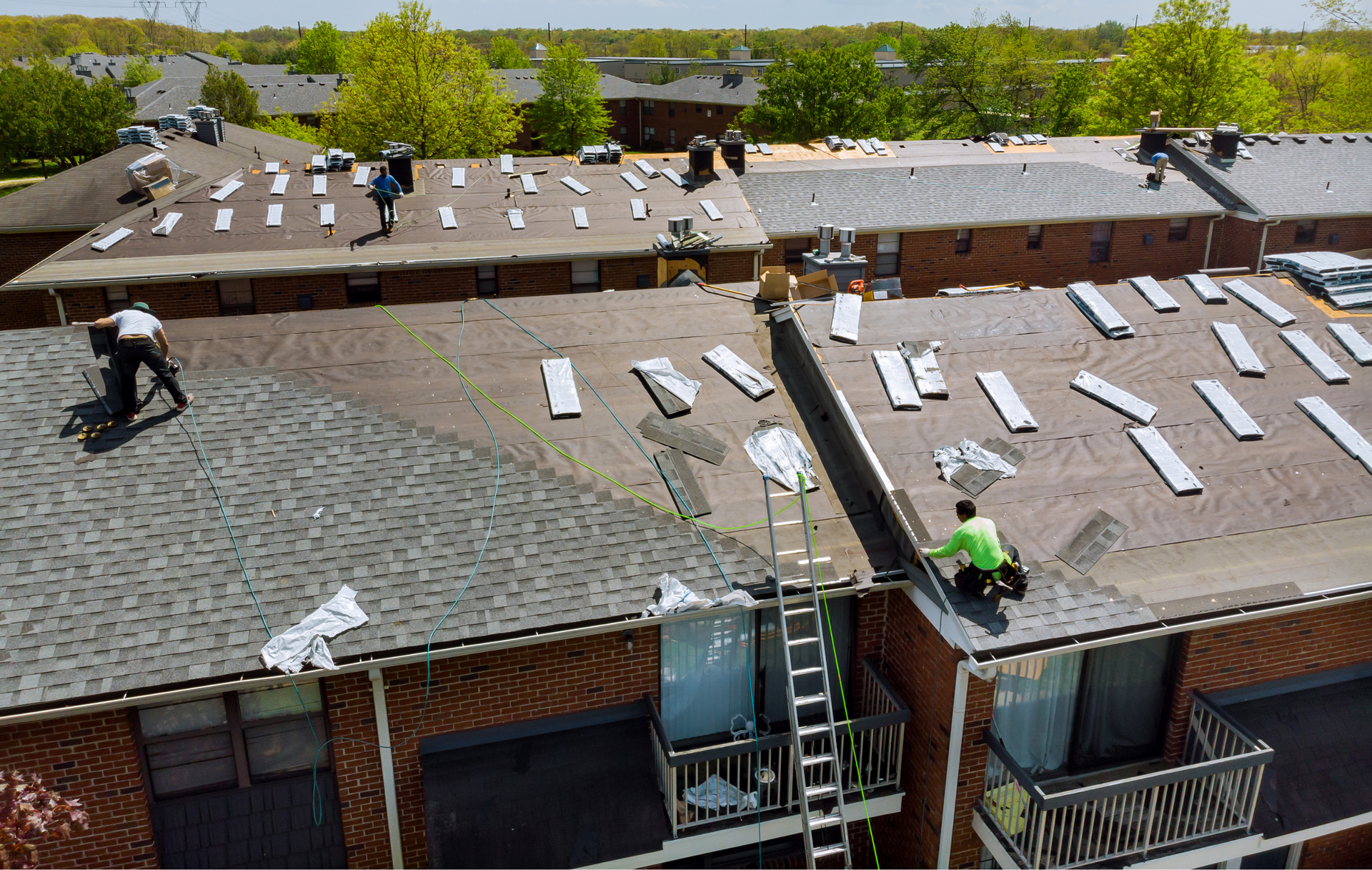
Your home’s roof plays a crucial role in both its functionality and aesthetics. The right roofing material and style can enhance the architectural beauty of your home, adding to its curb appeal and value. With various architectural styles, from classic to contemporary, it’s essential to choose a roofing option that complements your home’s design while providing the necessary protection. In this blog, we’ll explore different architectural styles and the best roofing materials for each. Wheeler Roofing, Inc. is here to help you find the perfect roof that matches your home’s unique character and needs. Section 1: Traditional Architectural Styles 1. Colonial Style Overview: Colonial homes are known for their symmetrical design, steep roofs, and gabled dormers. This classic American style often features a centered front door with windows on either side. Best Roofing Options: Asphalt Shingles: Asphalt shingles are a versatile and affordable option that complements the symmetrical and straightforward design of Colonial homes. Choose neutral tones like gray, black, or brown to maintain the traditional aesthetic. Wood Shakes: For a more rustic and authentic look, wood shakes add warmth and texture to Colonial homes, enhancing their historic charm. 2. Victorian Style Overview: Victorian homes are characterized by their ornate details, steep, multi-faceted roofs, and vibrant colors. These homes often feature turrets, dormers, and elaborate trim work. Best Roofing Options: Slate Roofing: Slate tiles offer the durability and elegance that Victorian homes demand. The natural variation in color adds depth and character, complementing the intricate design elements of these homes. Metal Roofing: Metal roofs, especially those with a standing seam design, can provide a sleek contrast to the ornate details of a Victorian home while ensuring long-lasting protection. 3. Craftsman Style Overview: Craftsman homes emphasize natural materials, low-pitched roofs, and wide eaves with exposed rafters. These homes are often one or one-and-a-half stories and feature large front porches supported by tapered columns. Best Roofing Options: Asphalt Shingles: Asphalt shingles in earthy tones like green, brown, or gray complement the natural materials used in Craftsman homes and blend seamlessly with the surrounding landscape. Wood Shakes: Wood shakes or shingles are a popular choice for Craftsman homes, enhancing their rustic, handcrafted appearance and providing excellent insulation. Section 2: Modern and Contemporary Architectural Styles 1. Modern Style Overview: Modern homes are known for their clean lines, flat or low-sloped roofs, and an emphasis on large windows and open spaces. These homes often feature minimalist designs with an emphasis on functionality and simplicity. Best Roofing Options: Flat Roofing Materials (TPO, EPDM, PVC): Flat or low-sloped roofs are common in modern architecture. TPO, EPDM, and PVC roofing membranes are ideal for these designs, offering durability, energy efficiency, and a sleek, modern appearance. Metal Roofing: Metal roofing, particularly in a standing seam style, complements the clean lines and minimalist aesthetic of modern homes, while also providing long-lasting protection and energy efficiency. 2. Mid-Century Modern Style Overview: Mid-Century Modern homes are characterized by their integration with nature, open floor plans, large windows, and flat or gently sloped roofs. These homes often use natural materials and emphasize indoor-outdoor living. Best Roofing Options: Flat Roofing Materials (TPO, EPDM, PVC): Like modern homes, Mid-Century Modern homes often feature flat roofs, making TPO, EPDM, or PVC membranes the best choice for their durability and low-maintenance properties. Gravel Roofing: Built-up roofs with gravel are another option for flat or low-sloped Mid-Century Modern homes, providing a textured finish that complements the natural aesthetic. 3. Contemporary Style Overview: Contemporary homes are defined by their bold shapes, mixed materials, and eco-friendly designs. These homes often feature a combination of flat, gabled, or shed roofs and prioritize energy efficiency and sustainability. Best Roofing Options: Solar Roofing: For eco-conscious homeowners, solar roofing tiles offer a modern, sustainable solution that blends seamlessly with the contemporary design while generating renewable energy. Green Roofing: Green roofs, which involve planting vegetation on the roof surface, are an excellent option for contemporary homes. They enhance energy efficiency, manage stormwater, and add a unique aesthetic to the home. Metal Roofing: The versatility and modern appearance of metal roofing make it a popular choice for contemporary homes, especially those with bold, geometric designs. Section 3: Mediterranean and Spanish Architectural Styles 1. Mediterranean Style Overview: Mediterranean homes are inspired by the architecture of Southern Europe and are characterized by stucco walls, red tile roofs, and arched windows and doors. These homes often feature courtyards and balconies that blur the line between indoor and outdoor living. Best Roofing Options: Clay Tiles: The classic red or terracotta clay tiles are synonymous with Mediterranean architecture. They provide excellent durability, especially in hot climates, and add to the authentic look of the home. Concrete Tiles: Concrete tiles offer a more affordable alternative to clay while still achieving the distinctive appearance and durability needed for Mediterranean-style homes. 2. Spanish Style Overview: Spanish-style homes share many similarities with Mediterranean architecture but often include more ornate details, such as decorative ironwork, colorful tiles, and wooden beams. These homes typically have low-pitched, red tile roofs and white stucco exteriors. Best Roofing Options: Clay Tiles: Like Mediterranean homes, clay tiles are the traditional choice for Spanish-style homes. The curved tiles create the signature look that complements the overall design. Concrete Tiles: For homeowners seeking a more budget-friendly option without sacrificing style, concrete tiles provide the same aesthetic appeal as clay but at a lower cost. Section 4: Rustic and Cottage Architectural Styles 1. Rustic Style Overview: Rustic homes emphasize natural materials, with designs that often blend into their natural surroundings. These homes typically feature exposed beams, stone or wood exteriors, and steeply pitched roofs. Best Roofing Options: Wood Shakes: Wood shakes or shingles are the perfect match for rustic homes, offering a natural, weathered look that complements the home’s integration with the environment. Metal Roofing: A corrugated metal roof can also enhance the rugged appearance of a rustic home, providing durability and resistance to the elements while maintaining a natural aesthetic. 2. Cottage Style Overview: Cottage homes are known for their quaint, cozy appearance, often featuring steep gable roofs, small dormers, and charming details like window boxes and shutters. These homes typically have a storybook quality, with an emphasis on warmth and comfort. Best Roofing Options: Asphalt Shingles: Asphalt shingles in soft, neutral tones or earthy colors are a practical and affordable choice for cottage-style homes, complementing their charming, understated design. Wood Shakes: For a more traditional, rustic look, wood shakes add texture and warmth to cottage homes, enhancing their storybook charm. Section 5: Making the Final Decision 1. Consider Your Home’s Specific Needs Why It Matters: Every home is unique, and the best roofing material for your home depends on various factors, including the climate, local building codes, and your personal preferences. Consider these elements carefully when choosing the right roofing material. Tips: Climate Considerations: Choose a material that can withstand your local weather conditions, whether it’s intense heat, heavy snowfall, or high winds. Energy Efficiency: Consider materials that offer energy-saving benefits, such as metal roofs that reflect heat or green roofs that provide natural insulation. Durability and Maintenance: Think about how much maintenance you’re willing to perform and the expected lifespan of the material. 2. Consult with a Professional Roofing Contractor Why It Matters: Choosing the right roofing material is a significant investment, and it’s important to get it right. A professional roofing contractor like Wheeler Roofing, Inc. can provide expert advice, help you weigh the pros and cons of each material, and ensure that your roof is installed correctly. Tips: Get a Professional Inspection: Before making any decisions, have your roof inspected by a professional to assess its condition and any specific needs. Request Samples: Ask your contractor for samples of different roofing materials to see how they look with your home’s exterior. Consider Warranties: Choose materials that come with strong warranties to protect your investment. Conclusion Choosing the right roofing material for your home is crucial for maintaining its structural integrity and enhancing its aesthetic appeal. By considering your home’s architectural style, climate, and personal preferences, you can select a roof that not only protects your home but also adds to its beauty and value. Wheeler Roofing, Inc. is here to guide you through the process, offering expert advice and professional installation services to ensure your roof meets all your needs.
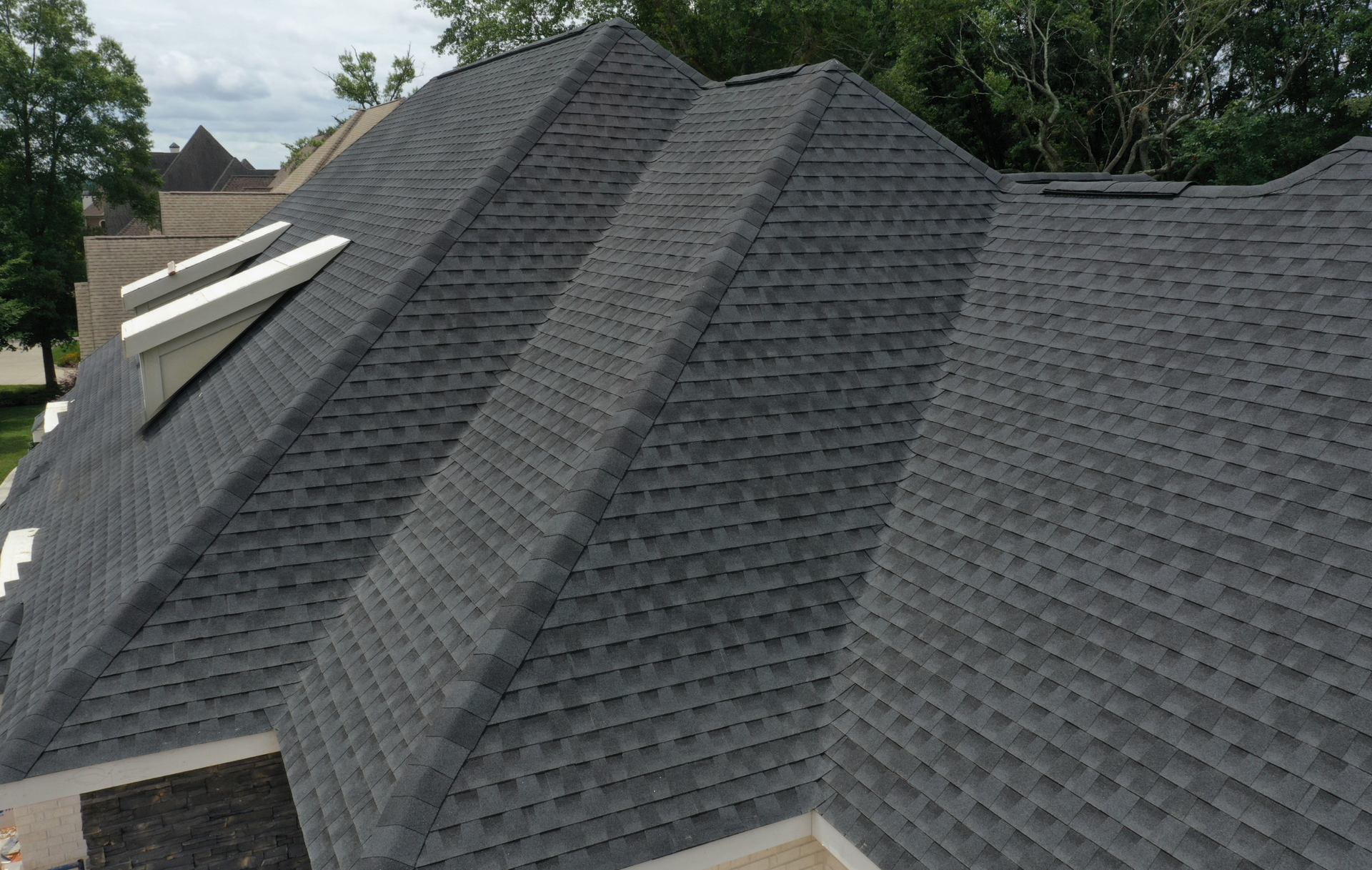
Roof leaks are one of the most common and potentially damaging issues homeowners face. A leaking roof can lead to a host of problems, from structural damage to mold growth, and can cause significant stress if not addressed promptly. Understanding the causes of roof leaks, how to prevent them, and the best ways to repair them is essential for protecting your home and avoiding costly repairs. In this blog, we’ll delve into the common causes of roof leaks, offer tips for preventing them, and explain how to fix them effectively. Wheeler Roofing, Inc. is here to help you keep your roof watertight and your home safe. Section 1: Common Causes of Roof Leaks 1. Damaged or Missing Shingles Why It Happens: Shingles are your roof’s first line of defense against the elements. Over time, they can become damaged by wind, hail, or debris, or simply wear out due to age. When shingles are cracked, curled, or missing, water can easily seep into the underlayment and roof deck, leading to leaks. Signs to Watch For: Missing shingles: Visible gaps where shingles are missing. Cracked or curled shingles: Shingles that appear lifted, cracked, or bent. Granule loss: Accumulation of shingle granules in gutters or at the base of downspouts. 2. Improperly Installed or Damaged Flashing Why It Happens: Flashing is the metal material used to seal joints and seams around roof features like chimneys, skylights, and vents. If flashing is improperly installed, damaged, or corroded, it can allow water to penetrate the roof. Signs to Watch For: Rust or corrosion: Visible rust on metal flashing. Gaps or cracks: Openings where flashing has pulled away from the roof or is cracked. Water stains: Discoloration around roof penetrations, such as chimneys or skylights. 3. Clogged Gutters Why It Happens: Gutters are designed to direct water away from your roof and home. When gutters become clogged with leaves, debris, or ice, water can back up and seep under the roof shingles, leading to leaks and water damage. Signs to Watch For: Overflowing gutters: Water spilling over the sides of gutters during rain. Sagging gutters: Gutters pulling away from the roofline due to the weight of debris. Water stains: Stains on exterior walls beneath the gutters. 4. Roof Age and Wear Why It Happens: All roofing materials have a finite lifespan. As your roof ages, it becomes more susceptible to leaks due to the natural wear and tear of the materials. Asphalt shingles, for example, typically last 20-30 years, after which they may start to deteriorate and allow water to penetrate. Signs to Watch For: Curling shingles: Shingles that curl at the edges, indicating they are nearing the end of their lifespan. Cracked or brittle shingles: Shingles that crack easily or feel brittle to the touch. Moss or algae growth: Excessive growth can indicate that shingles are retaining moisture, accelerating wear. 5. Roof Valleys Why It Happens: Roof valleys are the areas where two roof planes meet and create a V-shaped channel. Because they handle a large volume of water runoff, they are particularly prone to leaks if not properly installed or maintained. Signs to Watch For: Water stains along valleys: Dark streaks or water stains running along the valley lines inside the attic. Debris buildup: Accumulation of leaves or debris in the valleys, trapping moisture and causing damage. Cracked or worn valley flashing: Damage to the metal flashing that lines the valleys. 6. Skylights and Roof Penetrations Why It Happens: Skylights, vents, and other roof penetrations are common sources of leaks because they create openings in the roof structure. Poor installation, faulty seals, or age-related wear can cause leaks around these features. Signs to Watch For: Condensation or fogging: Moisture build-up on the inside of skylights. Water stains around penetrations: Discoloration or water marks near skylights, vents, or other roof features. Cracked or missing seals: Visible cracks or gaps in the sealant around roof penetrations. Section 2: How to Prevent Roof Leaks 1. Regular Roof Inspections Why It’s Important: Regular inspections are crucial for catching potential issues before they develop into serious problems. A professional inspection can identify early signs of damage, such as loose shingles or cracked flashing, and address them before leaks occur. Tips: Schedule inspections annually: Have your roof inspected at least once a year, preferably in the spring or fall. After severe weather: Inspect your roof after major storms to check for damage from wind, hail, or debris. 2. Keep Gutters Clean and Functional Why It’s Important: Clean gutters prevent water from backing up and seeping under the roof. Regular gutter maintenance helps ensure that water is properly directed away from your home, reducing the risk of leaks. Tips: Clean gutters twice a year: Clear gutters of leaves, debris, and dirt in the spring and fall. Install gutter guards: Consider adding gutter guards to prevent clogs and reduce maintenance. Check downspouts: Ensure downspouts are clear and direct water at least 5 feet away from your home. 3. Maintain Roof Flashing Why It’s Important: Flashing protects vulnerable areas of your roof from water infiltration. Regularly inspecting and maintaining flashing can prevent leaks in critical areas like chimneys, skylights, and valleys. Tips: Inspect flashing regularly: Check for signs of rust, corrosion, or separation from the roof. Re-seal flashing as needed: Apply sealant to any gaps or cracks in the flashing to prevent water entry. Replace damaged flashing: If flashing is severely damaged or corroded, have it replaced by a professional. 4. Trim Overhanging Branches Why It’s Important: Overhanging tree branches can scrape against your roof, damaging shingles and creating pathways for water to enter. They can also drop leaves and debris onto the roof, leading to clogs in gutters and valleys. Tips: Trim trees regularly: Keep tree branches trimmed back at least 10 feet from your roof. Remove debris from the roof: Regularly clear leaves, twigs, and branches from your roof to prevent damage and moisture buildup. 5. Address Minor Repairs Promptly Why It’s Important: Small issues like missing shingles or minor flashing damage can quickly escalate into larger problems if not addressed promptly. Early repairs can prevent leaks and extend the life of your roof. Tips: Fix loose or missing shingles: Replace damaged shingles as soon as they are noticed. Repair minor leaks immediately: If you spot a small leak, have it repaired by a professional right away to prevent further damage. Keep an eye on problem areas: Pay extra attention to areas prone to leaks, such as valleys, roof penetrations, and the roofline. Section 3: How to Fix Roof Leaks 1. Finding the Source of the Leak Why It’s Important: Identifying the exact location of a roof leak can be challenging, as water often travels before it drips into your home. Finding the source is essential for effective repairs. Tips: Check the attic: Look for water stains, wet insulation, or mold in the attic as clues to the leak’s source. Inspect the roof from the outside: Examine the roof for damaged or missing shingles, cracked flashing, or other visible signs of damage. Trace the leak path: Start at the point where water is entering your home and trace it upward along the roofline to find the source. 2. DIY vs. Professional Repairs Why It’s Important: While some minor roof repairs can be done yourself, more complex issues should be handled by a professional to ensure the repair is done correctly and safely. Tips: DIY repairs: If the issue is minor and you have roofing experience, you can replace a few missing shingles or reapply sealant around a skylight. Professional repairs: For larger issues, such as extensive shingle damage, flashing replacement, or structural repairs, it’s best to hire a professional roofer like Wheeler Roofing, Inc. to ensure the job is done right. 3. Temporary Fixes Why It’s Important: In some cases, you may need to apply a temporary fix to stop a leak until a professional can make permanent repairs. Tips: Tarping: Place a tarp over the damaged area to prevent further water infiltration. Sealant: Apply roofing sealant to small cracks or gaps as a temporary measure until repairs can be made. Water diverters: Install a water diverter in the attic to redirect water away from sensitive areas while waiting for repairs. 4. Long-Term Solutions Why It’s Important: For a lasting fix, it’s essential to address the underlying cause of the leak, whether it’s damaged shingles, faulty flashing, or a structural issue. Tips: Shingle replacement: Replace any damaged or missing shingles to restore the roof’s integrity. Flashing repair: Replace or repair flashing around chimneys, skylights, and valleys to prevent leaks. Structural repairs: If the leak is due to a deeper issue like sagging roof decking
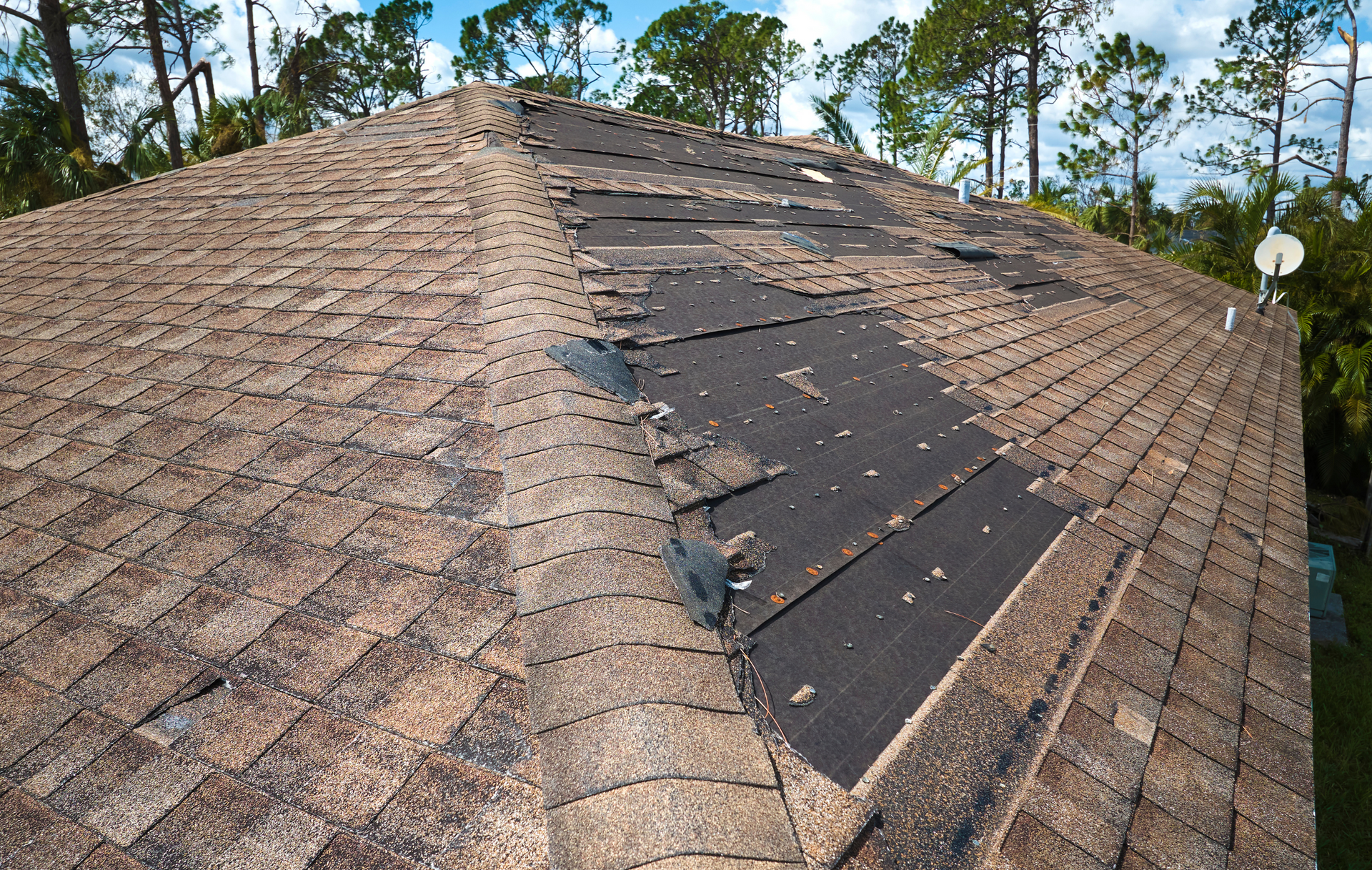
Roof ventilation is often an overlooked aspect of home maintenance, but it plays a critical role in the longevity of your roof and the overall health of your home. Proper ventilation ensures that your attic and roof stay cool in the summer and dry in the winter, which helps prevent a range of issues from structural damage to increased energy costs. In this comprehensive guide, we’ll explore why proper roof ventilation is so important, how it works, and the benefits it provides. Wheeler Roofing, Inc. is committed to helping you understand and implement effective roof ventilation to protect your investment and enhance your home’s comfort. Section 1: What Is Roof Ventilation and How Does It Work? 1. Understanding Roof Ventilation What It Is: Roof ventilation is a system of intake and exhaust vents that allows air to circulate through the attic and roof space. This circulation helps regulate temperature and moisture levels, preventing the buildup of heat and humidity that can damage your roof and home. How It Works: Intake Vents: These are usually located at the eaves or soffits and allow cool, fresh air to enter the attic. Exhaust Vents: These are typically located at the roof ridge or gable ends and allow warm, moist air to escape from the attic. Airflow: The intake vents draw in cooler air from outside, which pushes the warmer air up and out through the exhaust vents, creating a continuous flow of air that maintains a balanced attic environment. 2. Types of Roof Ventilation Systems Ridge Vents: How They Work: Installed along the roof’s ridge, ridge vents allow hot air to escape from the attic while blending in with the roofline. Benefits: Ridge vents provide a continuous ventilation system that is effective and aesthetically pleasing. Soffit Vents: How They Work: Installed under the eaves, soffit vents draw cool air into the attic, which then pushes warm air out through the exhaust vents. Benefits: Soffit vents are essential for maintaining proper airflow and preventing moisture buildup in the attic. Gable Vents: How They Work: Installed at the peak of gable ends, these vents allow warm air to exit the attic space. Benefits: Gable vents are a good supplement to ridge and soffit vents, especially in homes with large attics. Attic Fans: How They Work: Attic fans actively pull hot air out of the attic, helping to reduce heat buildup during the summer. Benefits: Attic fans can be particularly useful in homes located in hot climates where passive ventilation alone may not be sufficient. Section 2: The Benefits of Proper Roof Ventilation 1. Extends the Life of Your Roof Why It Matters: Proper roof ventilation prevents heat and moisture from accumulating in the attic, which can cause roofing materials to deteriorate prematurely. Excess heat can lead to warped shingles and other materials, while moisture can cause mold, rot, and rust. How It Works: Heat Reduction: Ventilation keeps the attic cooler, reducing the risk of heat-related damage to the roof. Moisture Control: By allowing moisture to escape, ventilation prevents the buildup of condensation that can lead to rot and other structural damage. 2. Prevents Ice Dams Why It Matters: Ice dams are a common problem in cold climates, where warm air from the attic causes snow on the roof to melt and then refreeze at the eaves, forming ice dams. These ice dams can prevent water from draining properly, leading to leaks and water damage. How It Works: Temperature Regulation: Proper ventilation keeps the roof’s surface temperature consistent, preventing the snow from melting unevenly and reducing the risk of ice dams forming. 3. Improves Energy Efficiency Why It Matters: A well-ventilated attic helps reduce the load on your HVAC system by maintaining a more consistent temperature in your home. In the summer, ventilation prevents heat buildup in the attic, which can reduce the need for air conditioning. In the winter, it prevents warm, moist air from causing condensation and heat loss. How It Works: Summer Cooling: Ventilation allows hot air to escape, reducing the temperature in the attic and minimizing the heat transfer to your living spaces. Winter Warmth: Proper ventilation prevents the buildup of warm, moist air, reducing the need for heating and preventing condensation that can lead to energy loss. 4. Protects Against Mold and Mildew Why It Matters: Moisture buildup in the attic can lead to the growth of mold and mildew, which can cause health problems for your family and structural damage to your home. Mold can spread quickly, affecting your indoor air quality and requiring expensive remediation efforts. How It Works: Moisture Control: By promoting airflow and preventing moisture from accumulating, proper ventilation helps keep mold and mildew at bay. 5. Maintains Indoor Comfort Why It Matters: Proper ventilation not only protects your roof but also contributes to a more comfortable indoor environment. By preventing extreme temperature fluctuations and reducing humidity levels, ventilation helps maintain a consistent and comfortable indoor climate. How It Works: Temperature Balance: Ventilation reduces the extremes of hot and cold in your attic, which can help maintain a more even temperature throughout your home. Section 3: Signs of Poor Roof Ventilation 1. Hot Attic in Summer What It Indicates: If your attic feels excessively hot during the summer, it’s a sign that your roof ventilation system isn’t functioning properly. This heat buildup can increase your cooling costs and lead to damage to your roofing materials. 2. Ice Dams in Winter What It Indicates: The formation of ice dams on your roof during winter is a clear indicator of poor ventilation. This can lead to leaks and water damage if not addressed. 3. Mold or Mildew in the Attic What It Indicates: The presence of mold or mildew in your attic is a serious sign that moisture isn’t being properly vented. This can lead to health problems and structural damage if not addressed promptly. 4. Condensation on Roof Decking What It Indicates: If you notice condensation on the underside of your roof decking, it’s a sign that moisture is building up in your attic. This can lead to rot and other forms of water damage over time. 5. High Energy Bills What It Indicates: If your energy bills are higher than usual, it could be due to poor roof ventilation. Without proper ventilation, your HVAC system has to work harder to maintain a comfortable temperature in your home, leading to increased energy costs. Section 4: How to Ensure Proper Roof Ventilation 1. Professional Inspection and Assessment Why It’s Important: A professional roofing contractor like Wheeler Roofing, Inc. can assess your current roof ventilation system to determine if it’s functioning properly. This includes checking the condition and placement of intake and exhaust vents, as well as identifying any potential issues. 2. Installing the Right Ventilation System Why It’s Important: Depending on your home’s design and climate, different ventilation systems may be more effective. A professional can recommend and install the most suitable system for your needs, whether it’s ridge vents, soffit vents, or attic fans. 3. Regular Maintenance Why It’s Important: Like any other part of your home, your roof ventilation system requires regular maintenance to ensure it continues to function effectively. This includes clearing debris from vents, checking for damage, and ensuring that airflow isn’t obstructed. 4. Upgrading When Necessary Why It’s Important: If your roof ventilation system is outdated or insufficient, it may be necessary to upgrade to a more effective system. Upgrading your ventilation can prevent future problems and extend the life of your roof. Conclusion Proper roof ventilation is essential for maintaining the health of your roof and the overall comfort and efficiency of your home. By ensuring that your attic is properly ventilated, you can prevent a wide range of issues, from premature roof damage to high energy bills and mold growth. Wheeler Roofing, Inc. is here to help you assess, install, and maintain a roof ventilation system that meets your needs and protects your home for years to come.
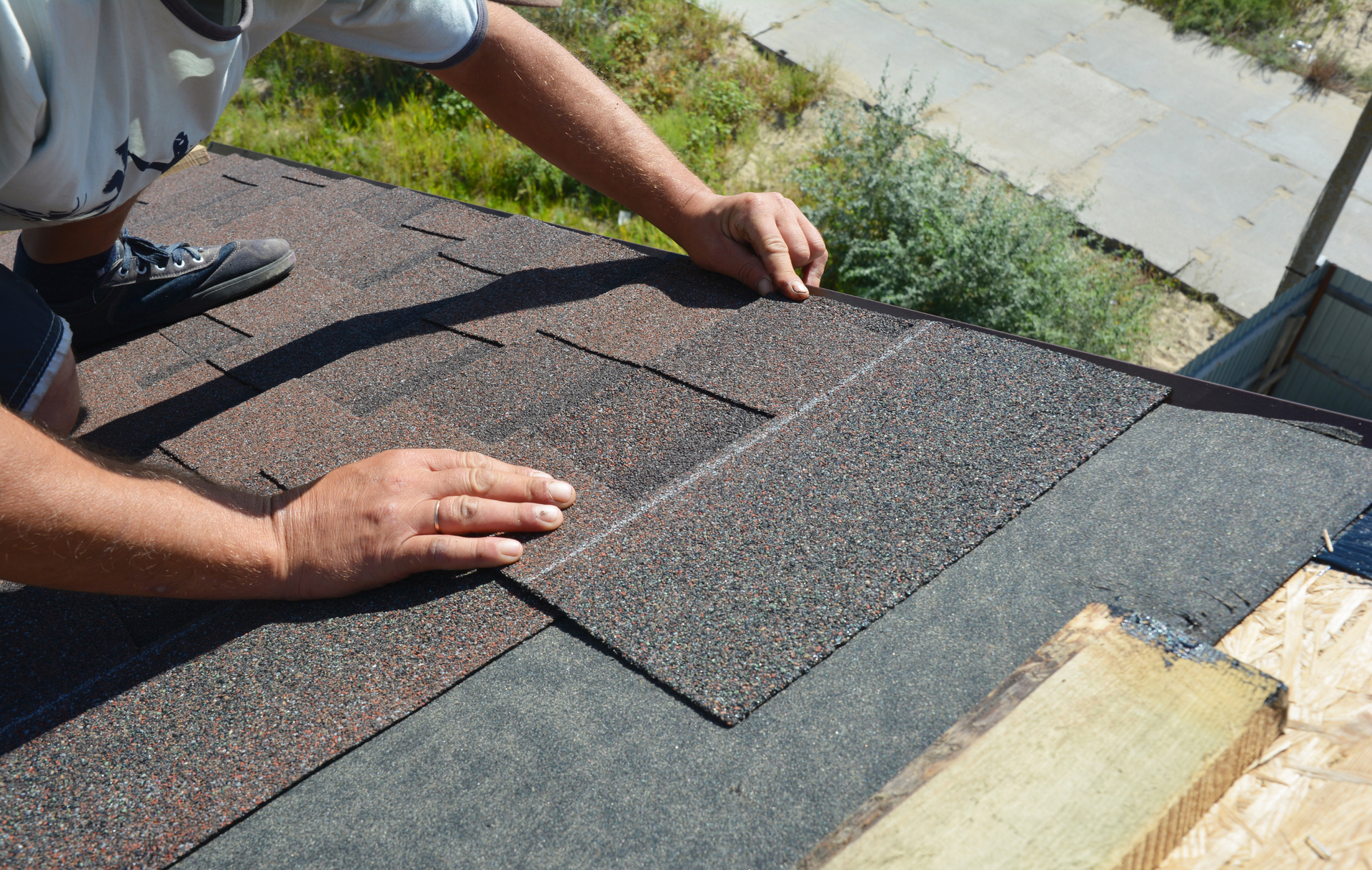
Choosing the right roofing material is one of the most important decisions you’ll make when it comes to maintaining or replacing your roof. The material you select will impact not only the aesthetic appeal of your home but also its durability, energy efficiency, and overall value. With so many options available, it can be overwhelming to determine which material is best suited for your needs and budget. This comprehensive guide will walk you through the most popular roofing materials, their pros and cons, and the key factors to consider when making your decision. At Wheeler Roofing, Inc., we’re here to help you find the perfect roofing solution for your home. Section 1: Factors to Consider When Choosing a Roofing Material 1. Climate and Weather Conditions Why It Matters: Your local climate plays a significant role in determining the best roofing material for your home. Different materials perform better under certain weather conditions, so it’s essential to choose one that can withstand the specific challenges posed by your environment. Key Considerations: Hot Climates: In regions with high temperatures and intense sunlight, materials like metal, clay, or concrete tiles that reflect heat and resist UV radiation are ideal. Cold Climates: In areas with heavy snowfall and freezing temperatures, durable materials like slate, metal, or high-quality asphalt shingles are recommended for their ability to withstand ice, snow, and freeze-thaw cycles. Humid Climates: In humid environments, moisture-resistant materials like metal, slate, or tiles are preferable to prevent mold, algae, and rot. Storm-Prone Areas: For regions prone to storms, hurricanes, or high winds, impact-resistant materials like metal or specially designed asphalt shingles provide added protection. 2. Architectural Style of Your Home Why It Matters: The roofing material you choose should complement the architectural style of your home. The right material can enhance your home’s curb appeal and add to its overall aesthetic value. Key Considerations: Traditional Homes: Asphalt shingles, wood shakes, and slate are excellent choices for traditional or historic homes. Modern Homes: Metal roofing and flat roofing materials like EPDM or TPO are popular for modern, minimalist designs. Mediterranean or Spanish-Style Homes: Clay or concrete tiles are ideal for these styles, offering a classic look with excellent durability. Rustic or Cottage-Style Homes: Wood shakes and shingles add a natural, warm look that complements rustic or cottage-style architecture. 3. Budget and Cost Why It Matters: Roofing materials vary significantly in cost, so it’s important to consider your budget when making a decision. While some materials may have a higher upfront cost, they may also offer greater longevity and lower maintenance costs over time. Key Considerations: Affordable Options: Asphalt shingles are the most budget-friendly roofing material, offering a good balance between cost and durability. Mid-Range Options: Metal roofing and wood shakes fall into the mid-range category, with higher upfront costs but longer lifespans and added benefits like energy efficiency or aesthetic appeal. High-End Options: Slate and clay tiles are among the most expensive materials, but they offer unmatched durability and longevity, often lasting a century or more. 4. Longevity and Durability Why It Matters: The lifespan of your roof is a crucial factor in your decision-making process. Some materials require more frequent replacement or repairs, while others can last for decades with minimal maintenance. Key Considerations: Shorter Lifespans: Asphalt shingles typically last 20-30 years, depending on the quality and local climate. Medium Lifespans: Metal roofing can last 40-70 years, and wood shakes can last 20-40 years with proper care. Longer Lifespans: Slate and clay or concrete tiles can last 50-100 years or more, making them a long-term investment. 5. Environmental Impact Why It Matters: If you’re concerned about the environmental impact of your roofing choice, consider materials that are sustainable, energy-efficient, or recyclable. Key Considerations: Eco-Friendly Options: Metal roofing is often made from recycled materials and is 100% recyclable at the end of its lifespan. Clay and concrete tiles are also natural materials that have a low environmental impact. Energy Efficiency: Cool roofs, such as those made from reflective metal or specialized asphalt shingles, can reduce your home’s energy consumption by reflecting more sunlight and absorbing less heat. Sustainability: Wood shakes and shingles made from sustainably harvested wood are a natural and renewable option, though they require more maintenance to prevent environmental damage like rot or insect infestation. Section 2: Overview of Popular Roofing Materials 1. Asphalt Shingles Pros: Affordability: Asphalt shingles are one of the most cost-effective roofing materials available. Variety: Available in a wide range of colors and styles, asphalt shingles can mimic the look of more expensive materials like slate or wood. Ease of Installation: Asphalt shingles are relatively easy to install, reducing labor costs. Cons: Lifespan: Asphalt shingles typically last 20-30 years, which is shorter than other materials. Environmental Impact: Asphalt shingles are petroleum-based and not easily recyclable, contributing to landfill waste. Susceptibility to Algae: In humid climates, asphalt shingles can be prone to algae growth, which can stain and degrade the shingles over time. Best For: Budget-conscious homeowners looking for an affordable, versatile roofing option that offers good protection and aesthetic appeal. 2. Metal Roofing Pros: Durability: Metal roofs can last 40-70 years and are highly resistant to weather-related damage. Energy Efficiency: Metal roofing reflects sunlight, reducing cooling costs in hot climates. Low Maintenance: Metal roofs require minimal maintenance and are resistant to rot, insects, and fire. Cons: Cost: Metal roofing is more expensive upfront than asphalt shingles, though it offers a longer lifespan. Noise: Without proper insulation, metal roofs can be noisier during rain or hailstorms. Installation Complexity: Metal roofs require specialized installation techniques, which can increase labor costs. Best For: Homeowners looking for a durable, energy-efficient roofing option that performs well in a variety of climates, particularly in hot or storm-prone areas. 3. Clay and Concrete Tiles Pros: Longevity: Clay and concrete tiles can last 50-100 years or more, making them a long-term investment. Aesthetic Appeal: These tiles offer a classic, timeless look that is particularly well-suited to Mediterranean, Spanish, and Southwestern-style homes. Durability: Clay and concrete tiles are highly resistant to fire, rot, and insect damage. Cons: Weight: These tiles are much heavier than other roofing materials, requiring additional structural support. Cost: Clay and concrete tiles are among the more expensive roofing options, both in terms of materials and installation. Fragility: While durable, individual tiles can be fragile and may break if walked on or impacted by debris. Best For: Homeowners with Mediterranean or Spanish-style homes who are looking for a durable, long-lasting roofing material that adds significant curb appeal. 4. Wood Shakes and Shingles Pros: Natural Beauty: Wood shakes and shingles offer a unique, rustic appearance that adds warmth and character to a home. Insulation: Wood is a natural insulator, helping to improve energy efficiency. Eco-Friendly: Wood roofing materials are often made from sustainable sources and are biodegradable. Cons: Maintenance: Wood roofs require regular maintenance, including cleaning, sealing, and treating to prevent rot, mold, and insect damage. Flammability: Wood is a combustible material, making it more vulnerable to fire. Fire-retardant treatments are available but may need to be reapplied over time. Cost: Wood shakes and shingles are more expensive than asphalt shingles and require more frequent maintenance. Best For: Homeowners who appreciate the natural beauty of wood and are willing to invest in regular maintenance to keep their roof in top condition. 5. Slate Roofing Pros: Longevity: Slate is one of the longest-lasting roofing materials, with a lifespan of 75-200 years. Aesthetic Appeal: Slate offers a timeless, elegant appearance that significantly enhances the look of a home. Durability: Slate is highly resistant to fire, rot, and insect damage, and performs well in extreme weather conditions. Cons: Cost: Slate is one of the most expensive roofing materials, both in terms of the initial cost and installation. Weight: Like clay and concrete tiles, slate is very heavy, requiring additional structural support. Fragility: While durable, individual slate tiles can be brittle and may crack or break if not handled carefully. Best For: Homeowners with historic or high-end homes who are looking for a long-lasting, elegant roofing material that offers unmatched durability. Section 3: Making Your Decision 1. Assess Your Priorities Why It Matters: Consider what’s most important to you—whether it’s cost, durability, aesthetic appeal, or environmental impact. Understanding your priorities will help you narrow down your options and choose the material that best meets your needs. 2. Consult with a Roofing Professional Why It Matters: A professional roofing contractor like Wheeler Roofing, Inc. can provide valuable insights based on your specific situation, including your home’s structure, your local climate, and your budget. They can also help you navigate the complexities of roofing materials and ensure that your choice is installed correctly.